Journal
Discover architecture we love, materials that
inspire, and stories from our travels and projects; giving you an inside look at our studio and inspiration.
October 4, 2025
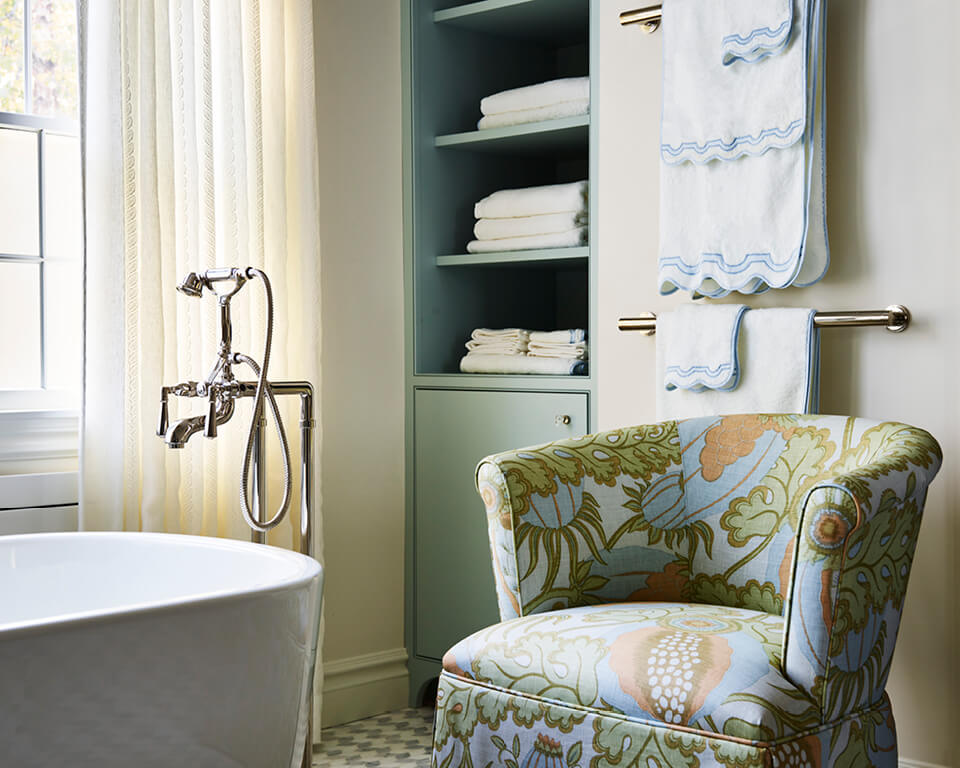
Tile, Tub, and a Trophy: Every designer has that one bathroom that just hits differently. Mine features pale blue cabinets, a stone vanity, and marble mosaic floors. I obsessed over every last detail — even the grout color. The result feels calm, classic, and, as it turns out, award-winning. My professional photos of this Milton primary bathroom capture every polished surface and layered texture.
September 12, 2025
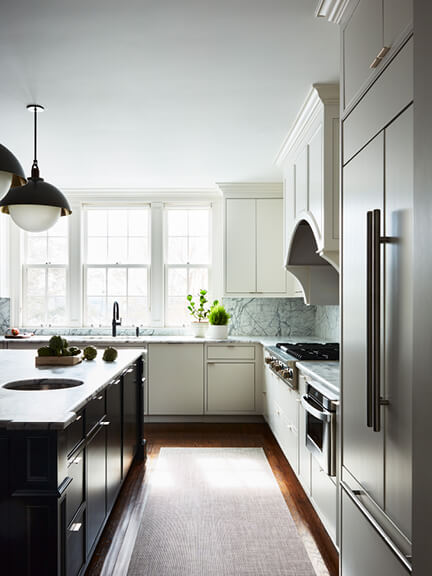
Not every project needs dust, debris, and months of chaos. An easy kitchen makeover can transform a home with smart choices and a fresh eye. Skip the sledgehammer—focus on finishes, fixtures, and details that make the difference. We renovate kitchens and baths all the time, and experience has shown us that a few minor updates can be the perfect solution.
August 26, 2025
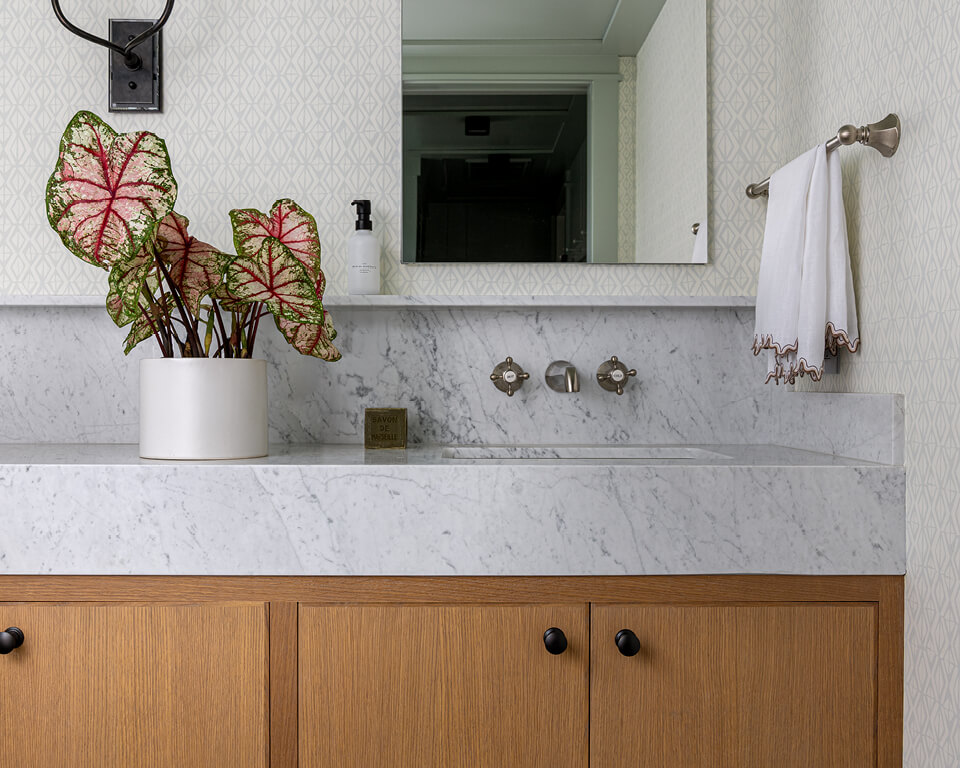
An industry term that architects and designers know well—but may feel new to homeowners—Design Development deserves a clear explanation. After you complete existing conditions and finish schematic design, the next step is finalizing a plan, selecting a builder, and setting a budget. We enter design development, literally developing the design. We break it down 3 ways: by room, by product, and by budget.
August 22, 2025
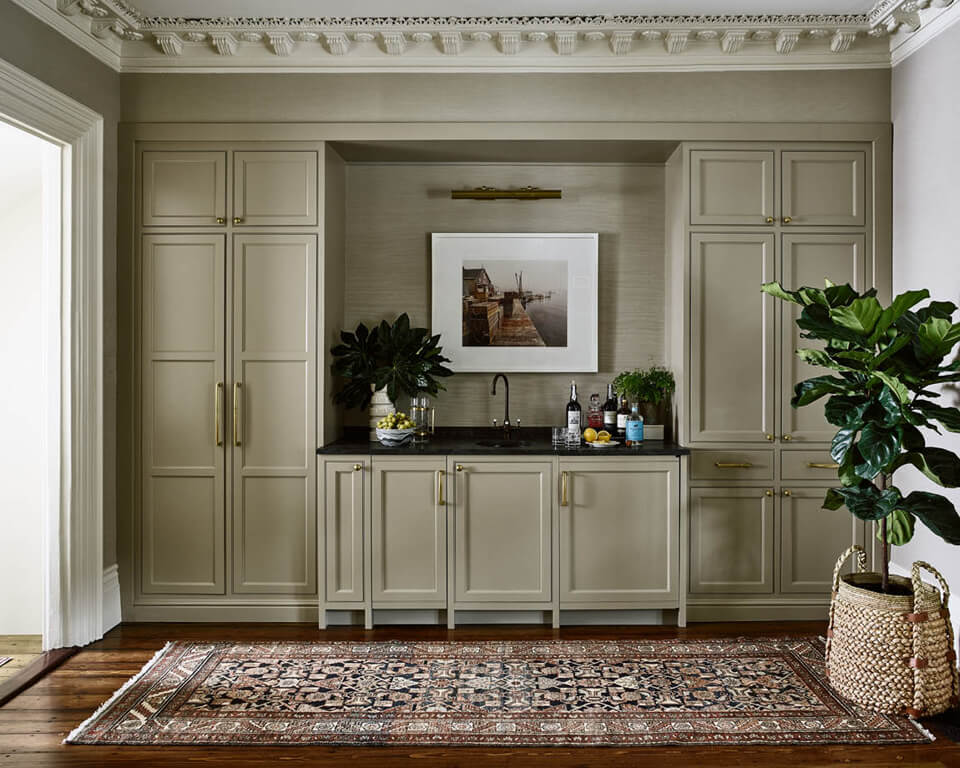
Existing conditions and schematic design provide the foundation for every successful interior design and renovation project. The design journey begins long before fabric swatches, color palettes, or furniture plans take shape. While the earliest steps may not be glamorous, they are essential: documenting what already exists and envisioning what could be.
July 5, 2025
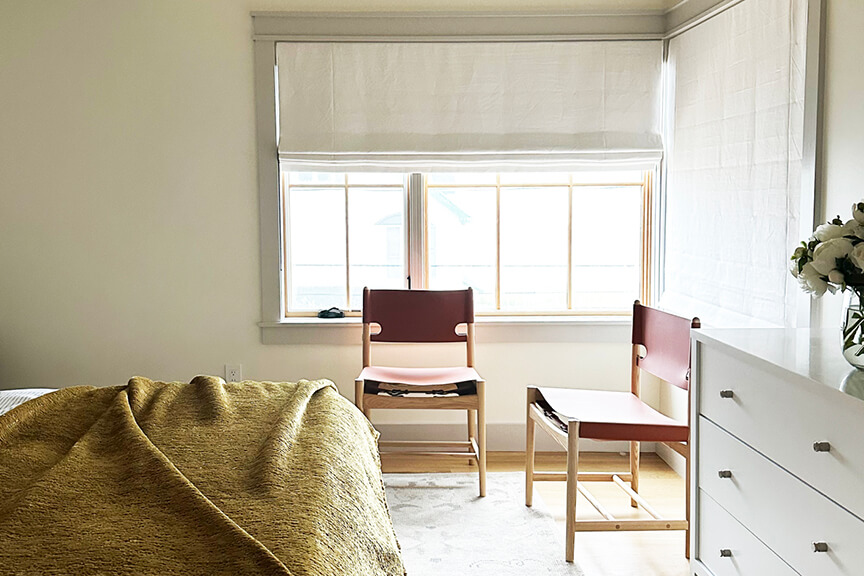
We just photographed this new construction beach house, finished last summer—but we held off sharing it until the good light returned (translation: no winter shrubs or grey skies). The extra time gave us room to sort out window treatments, hang art, and layer in the final touches. The photos are in, we’ve sent them off to a few media outlets, and now we wait—cue fingers crossed, and maybe a group manifest. We’re proud of this one…
June 28, 2025
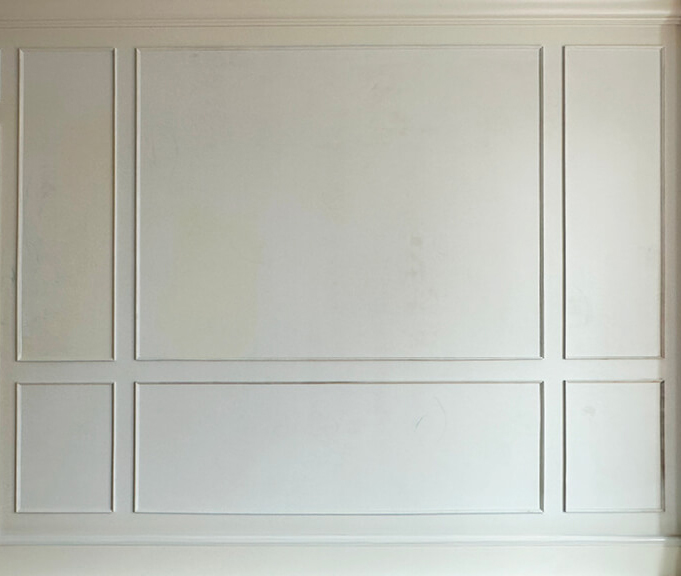
It’s been a while since we shared progress on our K Street project, and while we’ve shared updates on Instagram, the journal posts have been quiet. With six weeks (ish) left in construction, it felt like the right time to offer a peek. This brownstone renovation leans into classic architecture and timeless materials—always our favorite combination. As historic home designers, we’re always balancing restoration and reinvention.
May 30, 2025
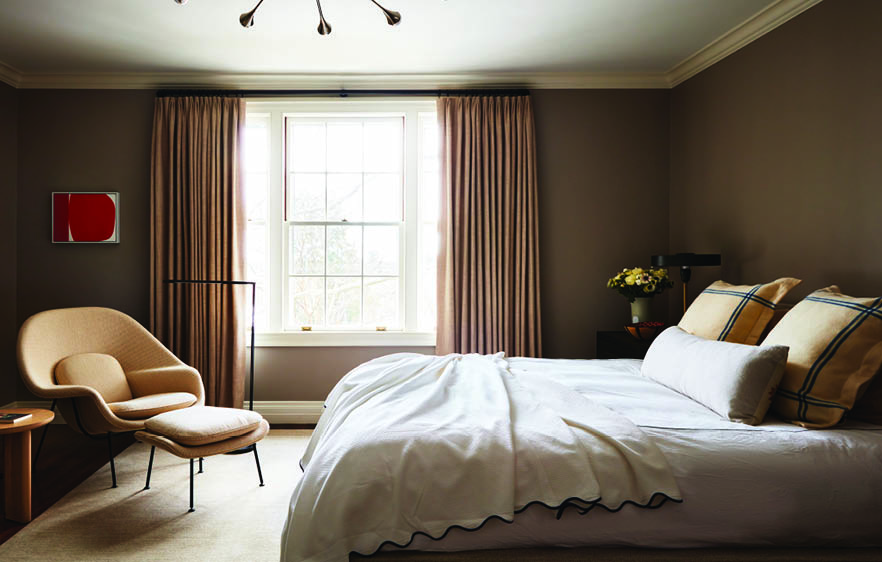
Open floor plans once ruled the real estate market—but today, they feel loud, inefficient, and out of touch with how we actually live. Developers cling to them, as they lag behind real design trends, overusing high ceilings, black windows, and copy-paste layouts from proverbial ‘catalogs’. Gross. Open floor plan problems show up fast: sterile, echoey, and dated. Read on to see why we prefer smaller, enclosed spaces.
April 25, 2025
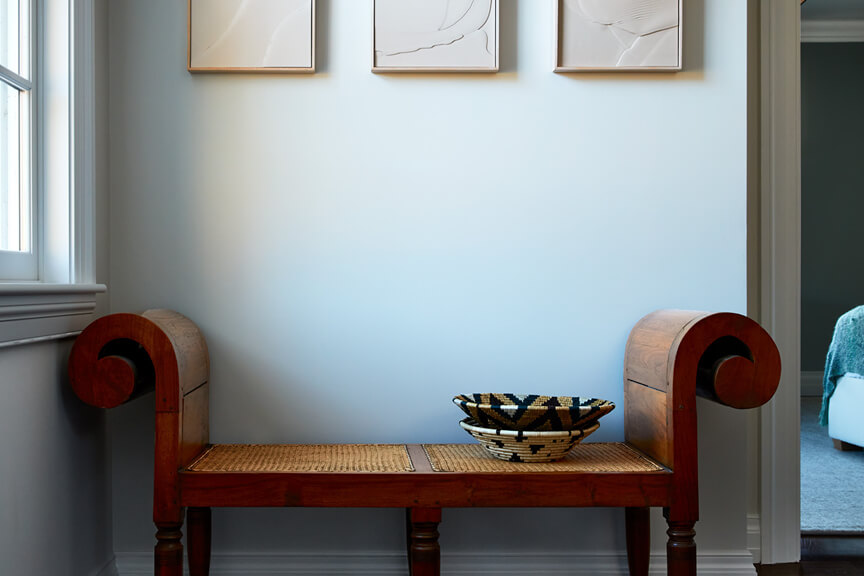
Tariff talk is exhausting. With imports from Asia getting more expensive and shipping no longer cheap, more people may start avoiding fast fashion—and it’s about time; I’ve been doing that for years (long live Poshmark and The Real Real). It’s a good time to turn toward secondhand everything beyond clothing, including home decor and furniture. We’re not the first to catch on to secondhand goods—just pointing out the growth!
April 11, 2025

Florence Knoll didn’t just shape the look of mid-century modern furniture—she hired the people who defined it. Her collaborations with Eero Saarinen led to some of the most enduring furniture designs of the 20th century, and they still show up in our projects today. Mid-century pieces like the Womb Chair, Tulip Chair, and Tulip Table—designed by Saarinen for Knoll—pairs with the Executive Chair, designed by Knoll herself.
March 21, 2025

When considering a design transformation for your home, understanding Boston interior designer costs is an important first step. Of course, we work throughout New England, New York, and beyond, but Boston is home. Our pricing reflects the market rate of design services in our area. The expense of working with a professional interior designer can vary depending on the scope of your project and the level of service you need.
March 14, 2025
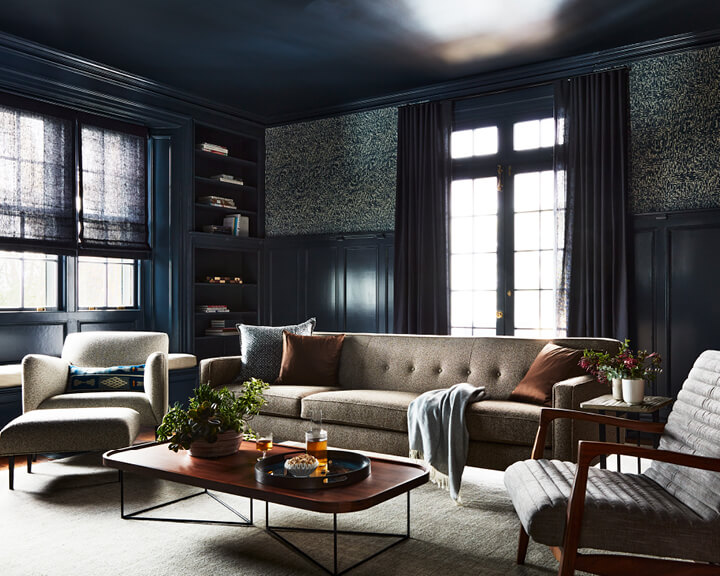
Room & Board recently featured our work on their blog, and we’re super happy with the write-up and the recognition. Their products blend quality craftsmanship with timeless design, making them a natural fit for our projects. Based in Minnesota, they source from skilled artisans across the country—including some right here in New England.
February 21, 2025
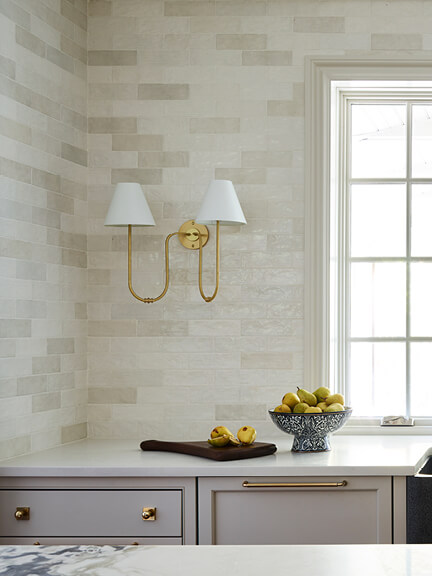
We’ve designed countless kitchens—some modern, some traditional—all beautiful in their own way. After years of experience, we’ve rounded up the five features that best suit a classic New England kitchen. These details work well in at coastal properties, a farmhouse, or any home with historic or traditional architecture. These ideas will keep it both livable and aligned with the character of the Northeast.