September 16, 2025

Meghan Markle spent the night here before marrying a prince, which feels entirely appropriate. Cliveden House has long attracted the type who favor silk robes, staff entrances, and an audience. Built high above the Thames, it’s grand, deliberate, and unapologetically architectural—a masterclass in historic English estate design. Every arch, terrace, and column reminds you that beauty here was planned, not improvised.
September 12, 2025
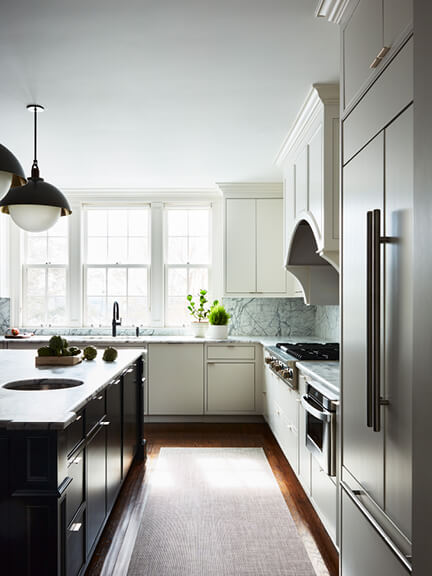
Not every project needs dust, debris, and months of chaos. An easy kitchen makeover can transform a home with smart choices and a fresh eye. Skip the sledgehammer—focus on finishes, fixtures, and details that make the difference. We renovate kitchens and baths all the time, and experience has shown us that a few minor updates can be the perfect solution.
September 11, 2025
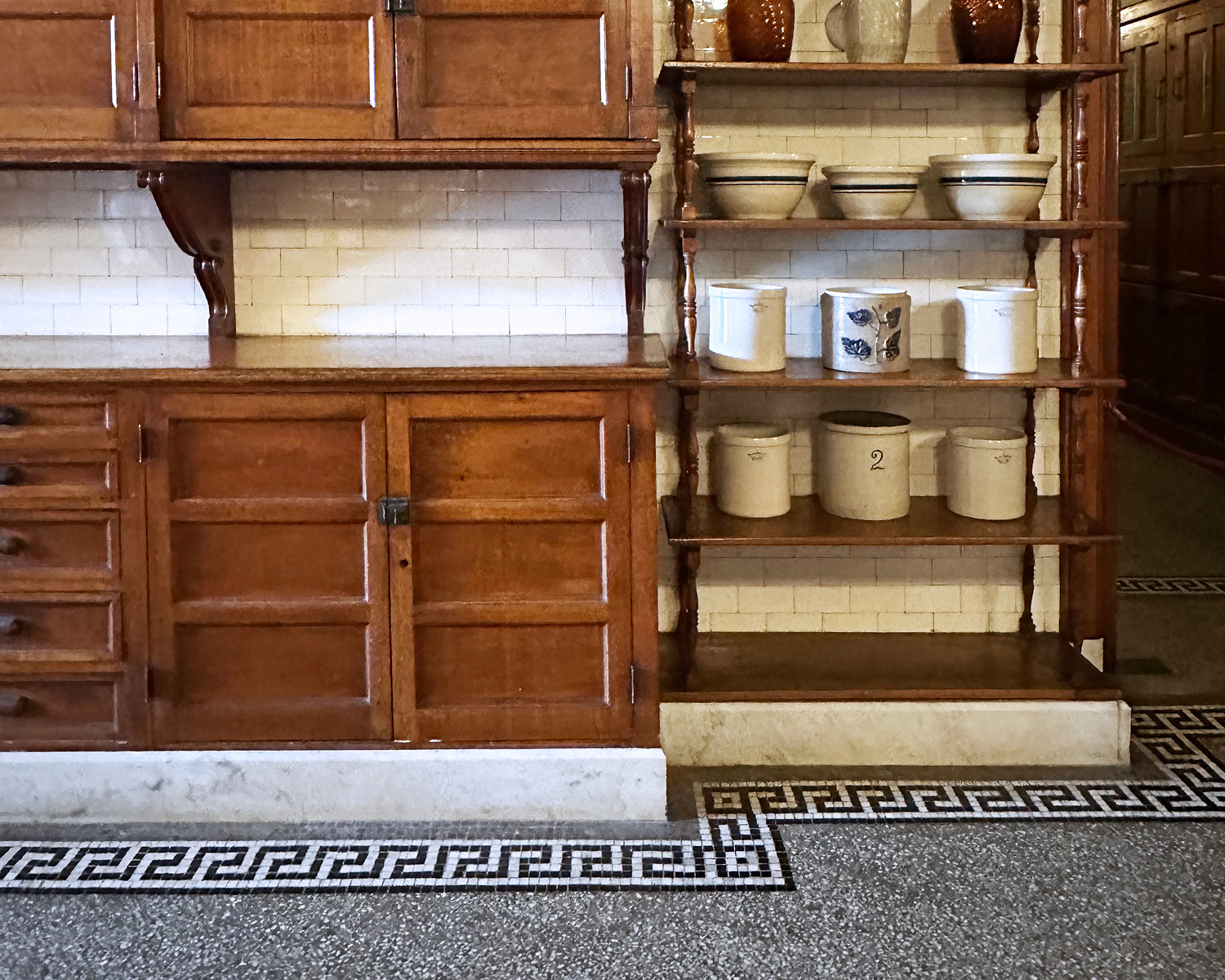
Walk through The Elms in Newport and you’ll find rooms that feel surprisingly familiar. Beyond the marble halls and gilded ceilings are kitchens, baths, and bedrooms that remind us that good design—historic or modern—always begins with proportion, craftsmanship, and comfort. These are the spaces that connect Gilded Age grandeur to everyday living.
September 9, 2025
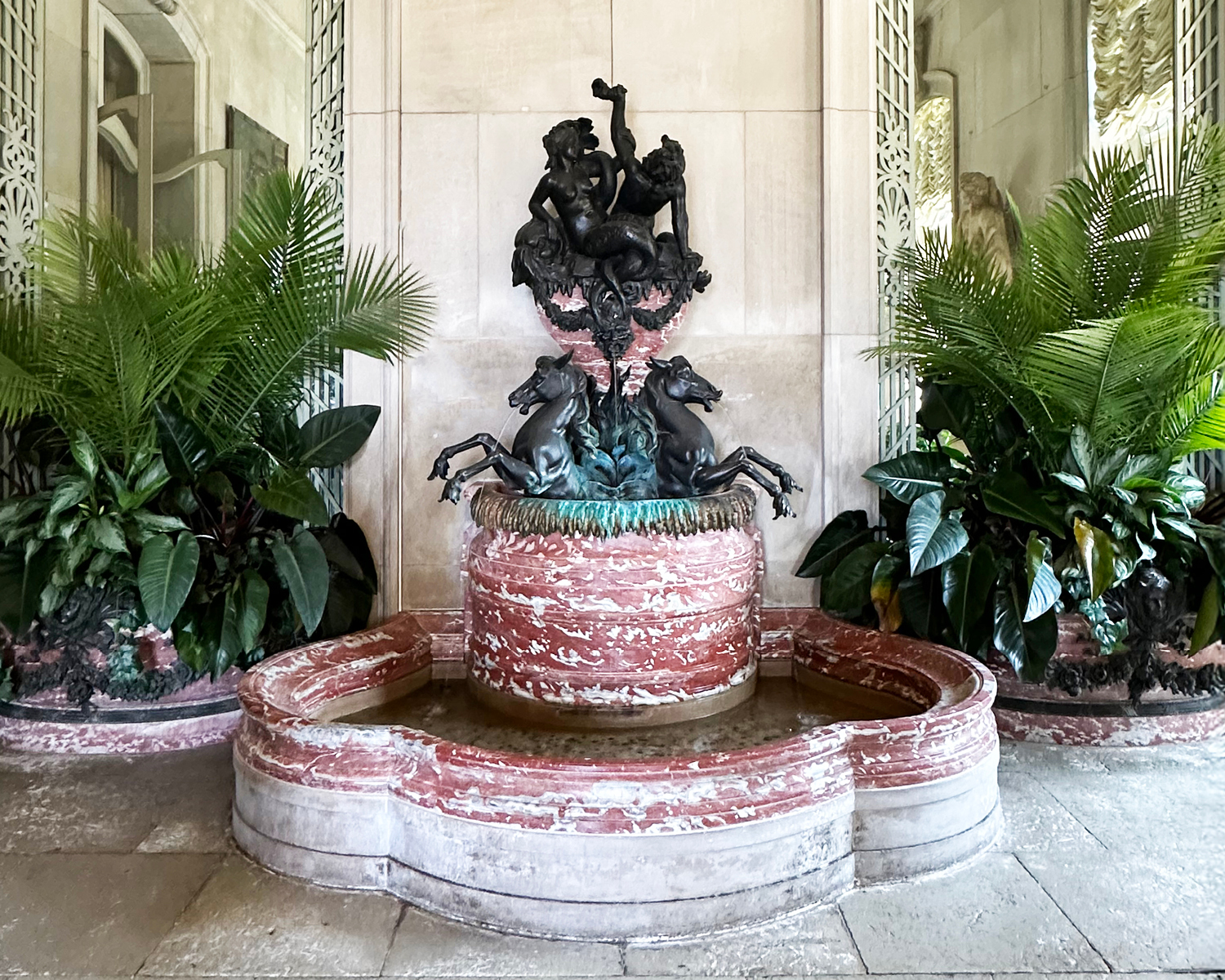
Walk through the bronze-and-glass front doors and you don’t just enter a house—you step onto a Gilded Age set. (Literally. HBO’s The Gilded Age films here, so it’s easy to imagine Bertha Russell sweeping past.) The Elms was built as a maison de plaisance—a house devoted to pleasure—where every room connects to the garden beyond. Limestone walls, rare marbles, and European art define its precision and extravagance.
September 5, 2025

The Elms Newport Mansion, a French chateau inspired Gilded Age estate in Rhode Island, features historic home design, formal gardens, and HBO filming ties. This type of historic home design is what happens when you have too much money in 1901 and a taste for France. Architect Horace Trumbauer modeled the house after Château d’Asnières, then wrapped it in Indiana limestone so it would basically last forever.
August 26, 2025
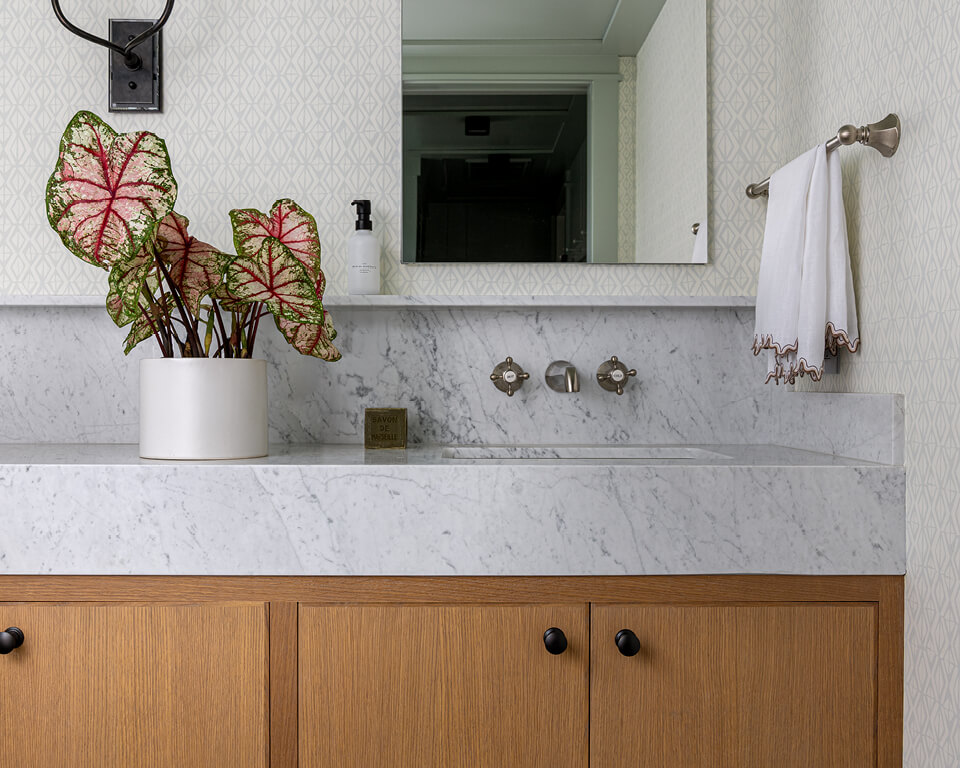
An industry term that architects and designers know well—but may feel new to homeowners—Design Development deserves a clear explanation. After you complete existing conditions and finish schematic design, the next step is finalizing a plan, selecting a builder, and setting a budget. We enter design development, literally developing the design. We break it down 3 ways: by room, by product, and by budget.
August 22, 2025
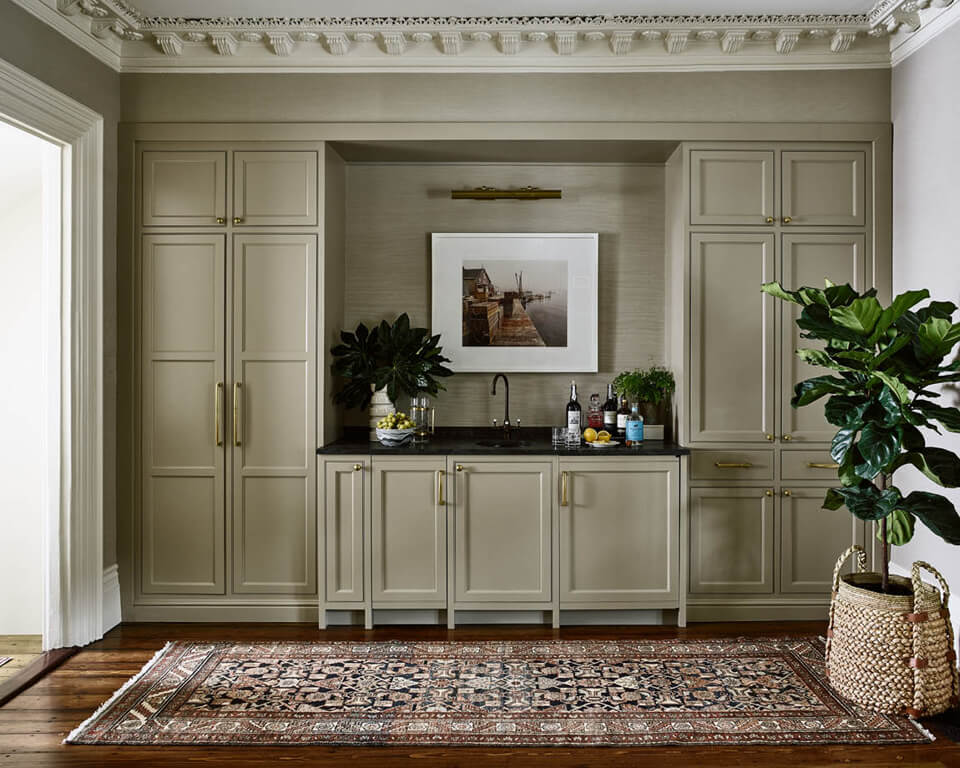
Existing conditions and schematic design provide the foundation for every successful interior design and renovation project. The design journey begins long before fabric swatches, color palettes, or furniture plans take shape. While the earliest steps may not be glamorous, they are essential: documenting what already exists and envisioning what could be.
August 15, 2025
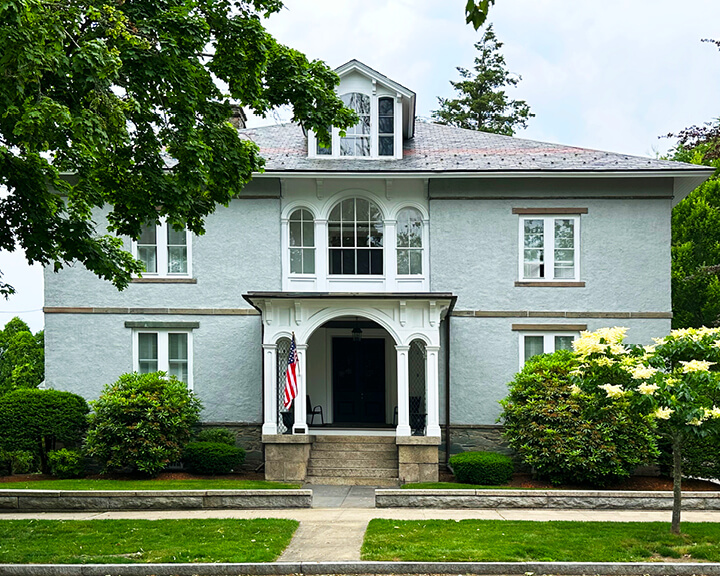
A stroll through Bristol, Rhode Island, reveals the kind of architectural inspiration that makes this a must-visit for any New England historic home designer. A quiet waterfront town just north of Newport—about an hour from Boston if you’re lucky with traffic. I take projects throughout New England, and this one landed me in a place I hadn’t explored before.
August 7, 2025
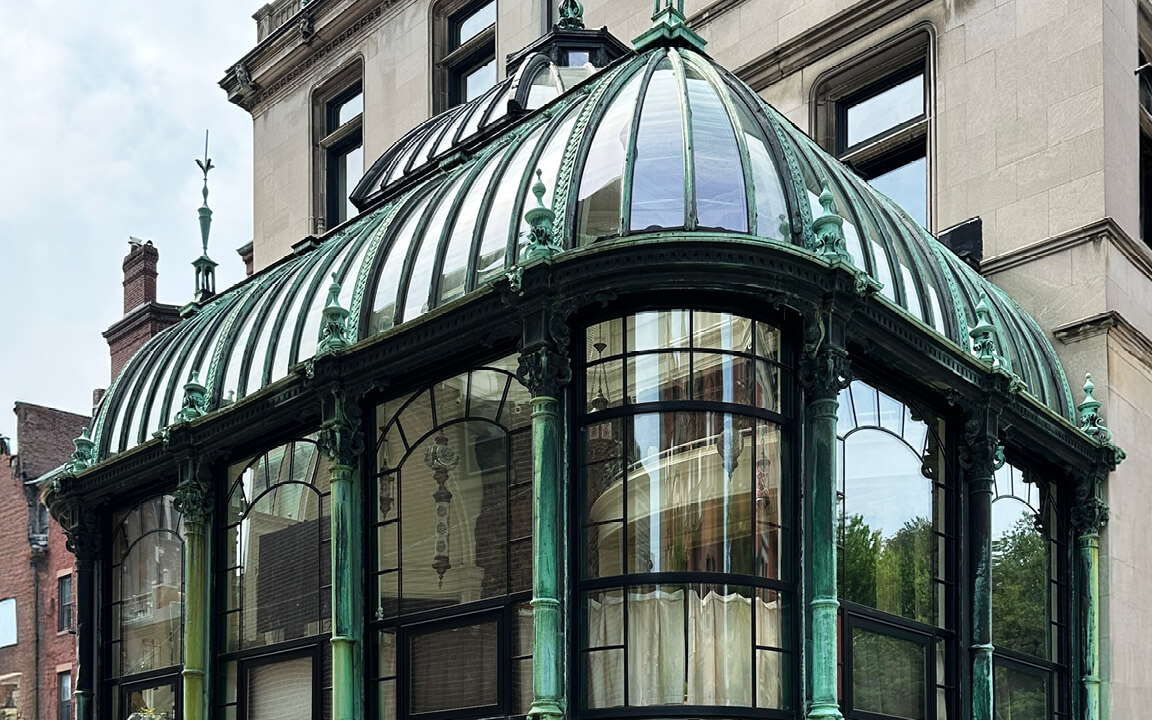
A closer look at architectural details that define historic home design in Boston’s Back Bay—from classic brownstones to one-of-a-kind standouts. Famous for its architectural rhythm—block after block of brownstones, bay windows, and mansard roofs, all standing neatly in line like a (very fancy) army. But take a closer look, and the rhythm breaks—in the best way.
August 1, 2025
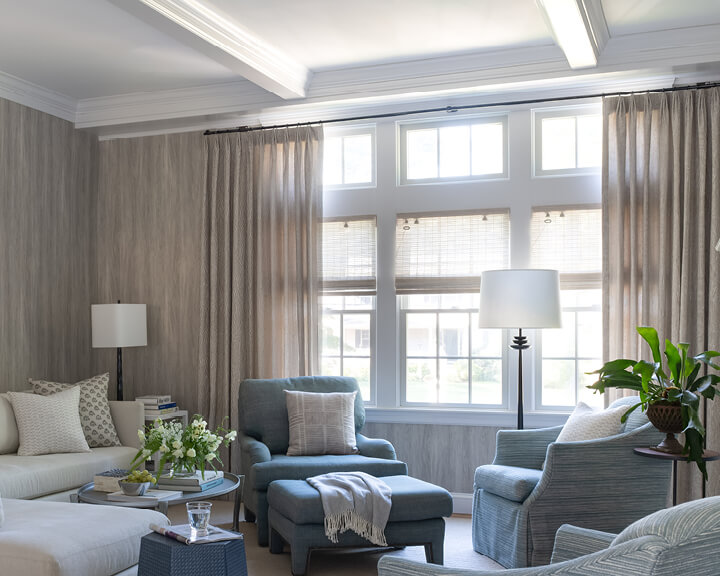
During a recent client meeting, I launched into a full explanation about window treatments. People understand the basics—privacy, light filtering, and sun protection. But as a decorator, I see them differently. Beyond just functional, they’re visual anchors, adding warmth, color, texture, and scale. They soften hard window frames and act as large-scale art.
That’s why we never skip them. In fact, we don’t take on projects where clients won’t budget for window treatments. Yes, they’re expensive, but also essential.
July 26, 2025

Last week, I joined a smart and lively crew on Boston’s South Shore to talk about fine art in interior design. The South Shore Art Center hosted the panel, led by Executive Director Patrice Maye, following a striking new installation featuring two local artists: Alyssa Fortin and Curtis Speer. I joined the conversation alongside Kelly Netishan and Christina Godfrey—two powerhouse women who know their way around a gallery wall.
July 19, 2025
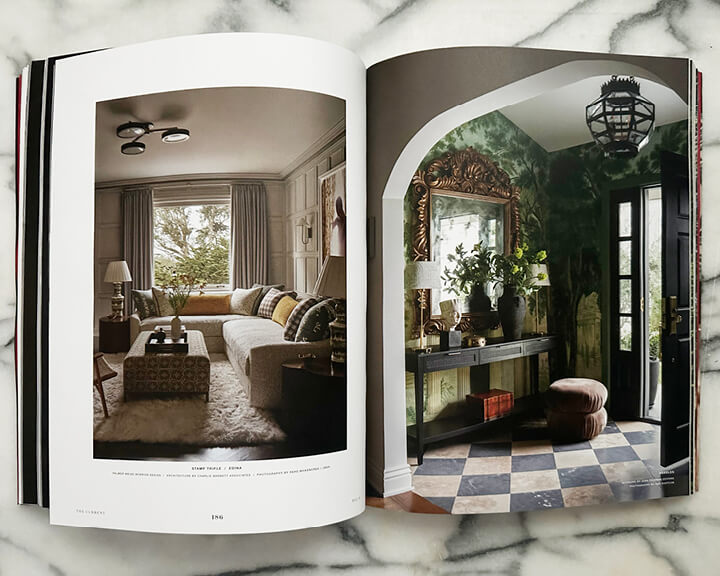
Lately, I’ve been posting all things Los Angeles—places to eat, spots to browse, standout interiors showrooms, notable historic homes, and a few visits to homes by Schindler and Frank Lloyd Wright. But this post shifts from buildings, boutiques, and restaurants… to the people. Specifically, the people I met during a week of panels and presentations at Design Los Angeles—and more importantly, the books they brought with them.