Journal
Discover architecture we love, materials that
inspire, and stories from our travels and projects; giving you an inside look at our studio and inspiration.
December 4, 2025

The Cartier Mansion New York has been on my mind since visiting the exhibition at the V&A in London. Spending time with the family history deepened that interest, and I have always been drawn to turn-of-the-century mansions. Built in 1903 on Fifth Avenue, the New York City flagship remains a luxury retail destination while still reading like a well-designed private home. Beyond the jewelry and accessories, the interiors tell a sophisticated story.
November 8, 2025
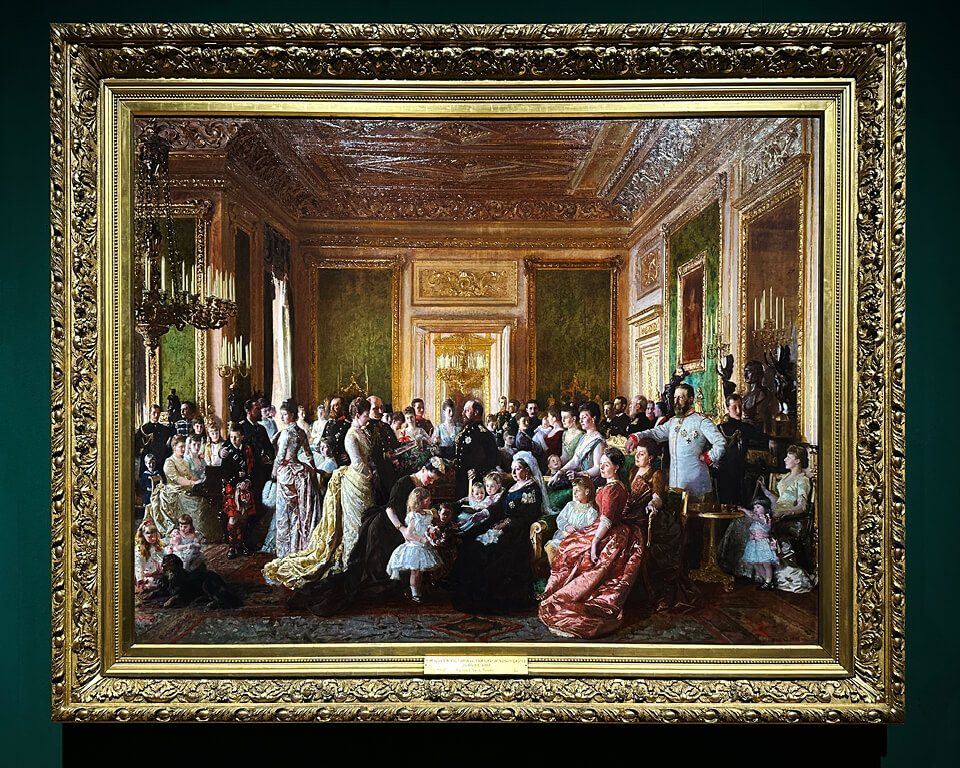
The King’s Gallery at Buckingham Palace serves one purpose: to bring the Royal Collection out of storage and into public view. Most of what you see here normally lives in private rooms, archive vaults, or other royal residences. These exhibitions are often the only chance to see the material up close, and the gallery builds each show around a specific period or them. Rotating the displays every few months, each installation pulls portraits, garments, furniture, and documents from the larger collection.
October 21, 2025

I walked into the Cartier Jewelry Exhibit expecting sparkle, as one does, but the scale and intention behind each piece stops one cold. Beyond making jewelry; Cartier shaped culture with a designer’s eye for architecture, history, and form. The exhibit moves through eras, influences, and entire worlds of craft. It feels both extravagant and sharply disciplined, which is exactly why I wanted to see it in person.
October 17, 2025
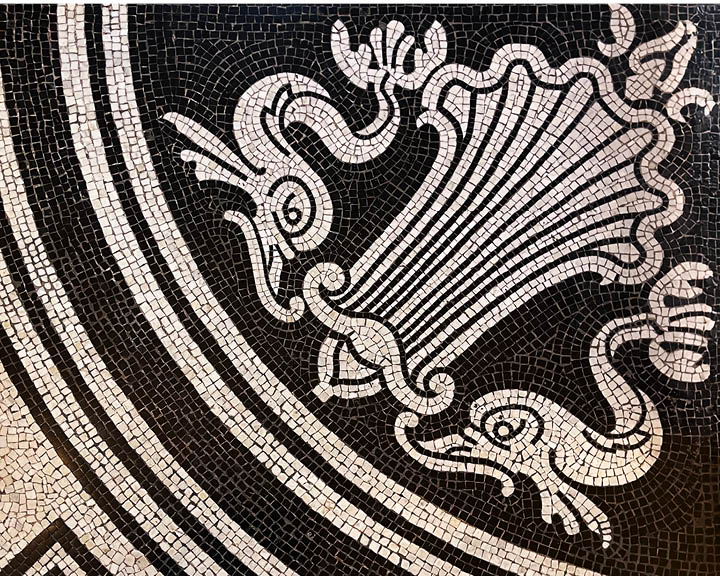
En route to the Cartier exhibit, I stopped at the main desk inside The Victoria and Albert Museum, and the flooring stopped me first—there’s always something in an old museum that gets me at the very first entry. Large stone pavers stretched across the hall, white and black beneath classic marble columns. The Chihuly glass sculpture hovered above the domed skylight at the main desk, but the floors pulled my attention.
October 11, 2025
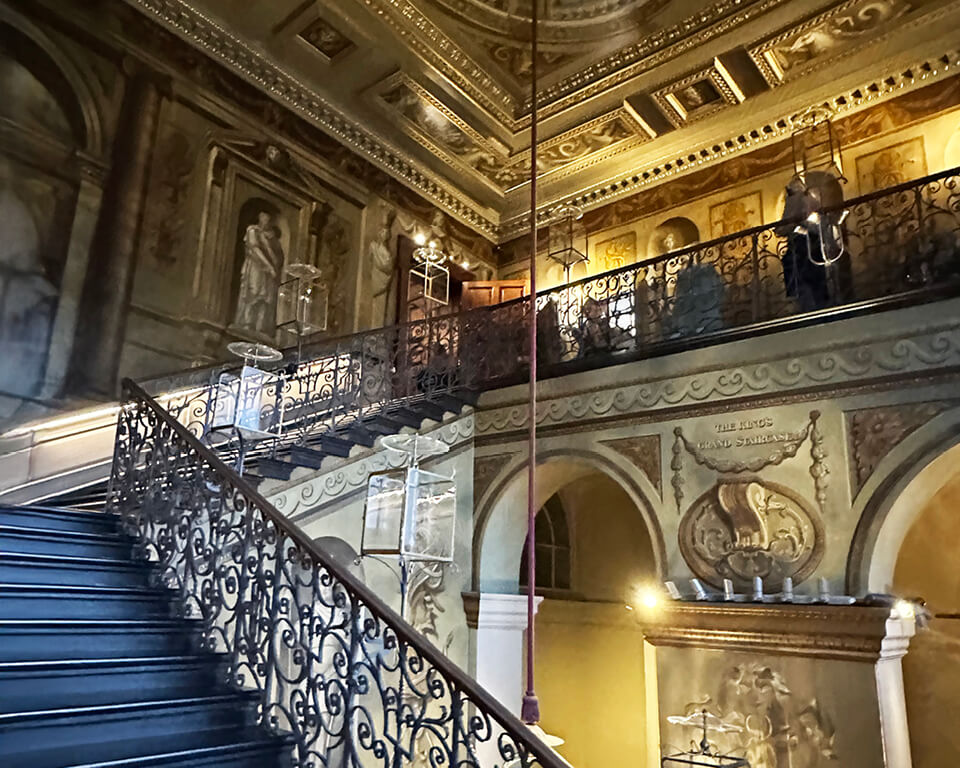
Kensington Palace came with high expectations in my book. I’m not obsessed with the royals, but like everyone else, I can’t look away from a Harry scandal or Kate Middleton’s perfect wardrobe (and hair). My mother adored Princess Diana, and as a kid in the ’90s, I remember her death clearly. All of that history sits in the background, so visiting Kensington Palace—the home tied to every one of these figures—felt exciting.
October 7, 2025
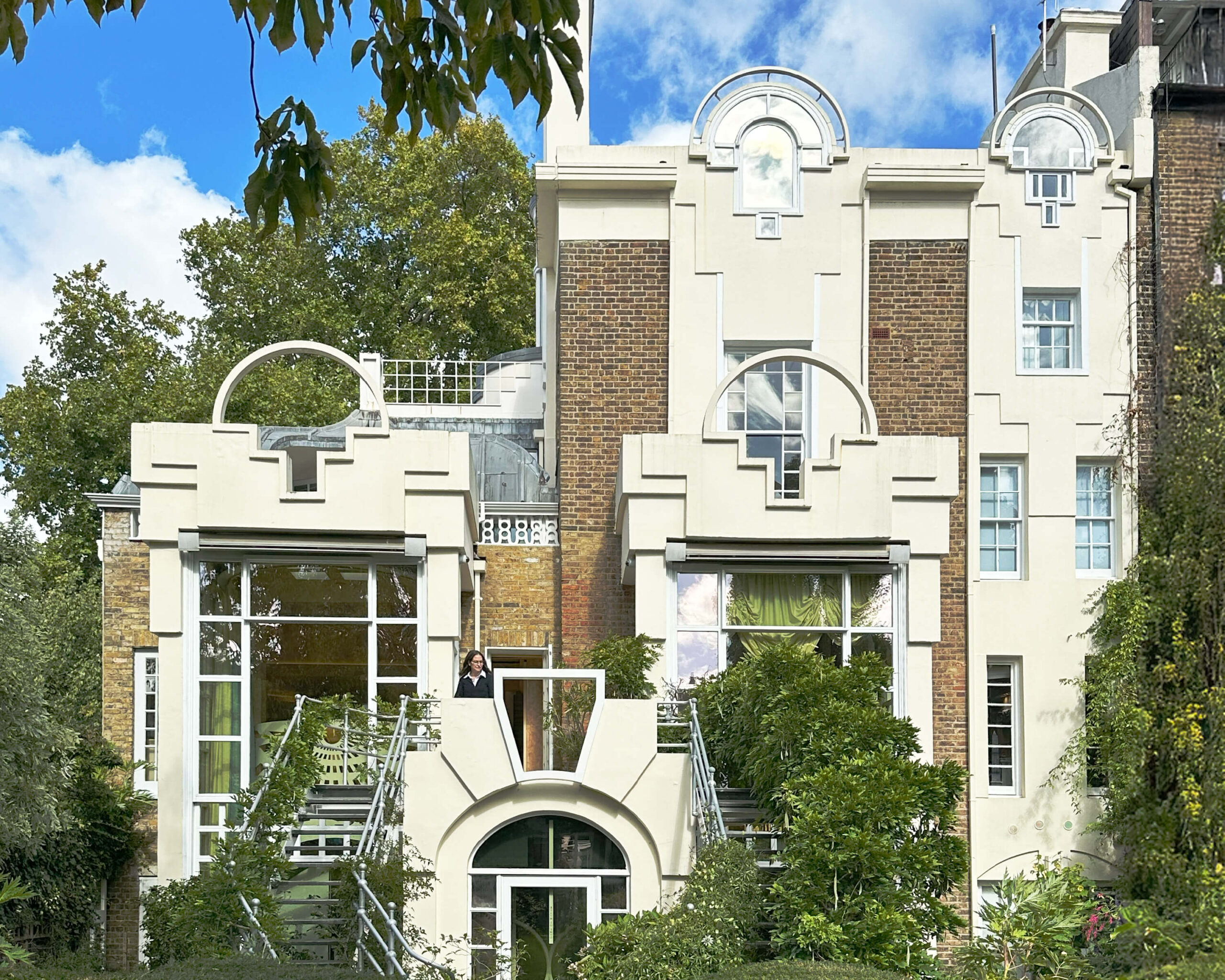
Cosmic, Not Cute The Cosmic House offers inspiration—the weird kind, not the type you find in Veranda or World of Interiors. These interiors lean into conceptual architecture and symbolic design, and some ideas feel flat-out strange. Designers love strange. We can find inspiration anywhere. Anywhere. The Cosmic House London delivers exactly that. It combines Postmodern […]
September 30, 2025
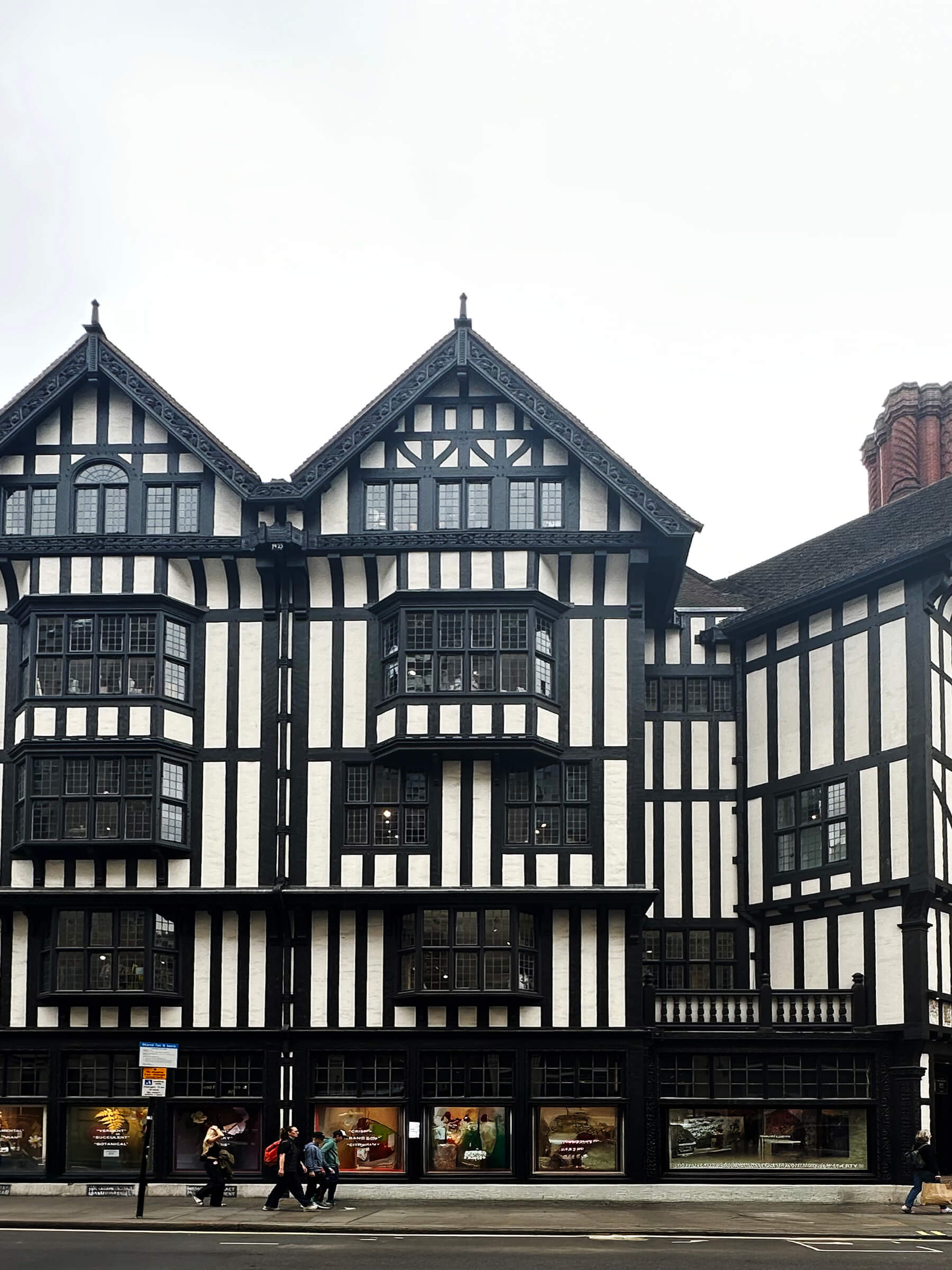
A Building’s Charm The Liberty London department store is one of those rare buildings that practically pulls you inside—the design of the building practially makes you want to spend money. Its exterior could double as a business strategy. The place was packed when I visited, and it’s easy to see why. Beyond the quality clothing, […]
September 18, 2025
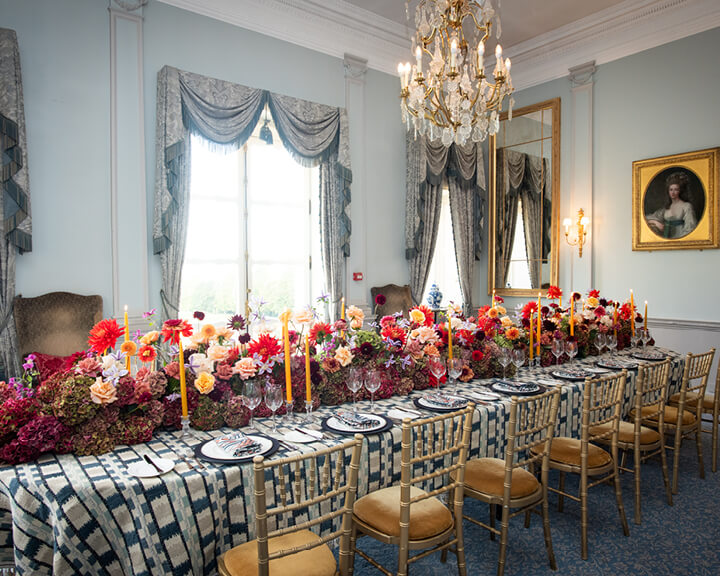
English Manor Design Cliveden House is not a place you can write about only once. Previously, I explored its interiors and exteriors through the lens of English manor design. The grand staircases, portrait galleries, and architectural symmetry set the tone for a life lived at scale. However, the true spirit of Cliveden emerges in motion, […]
September 17, 2025
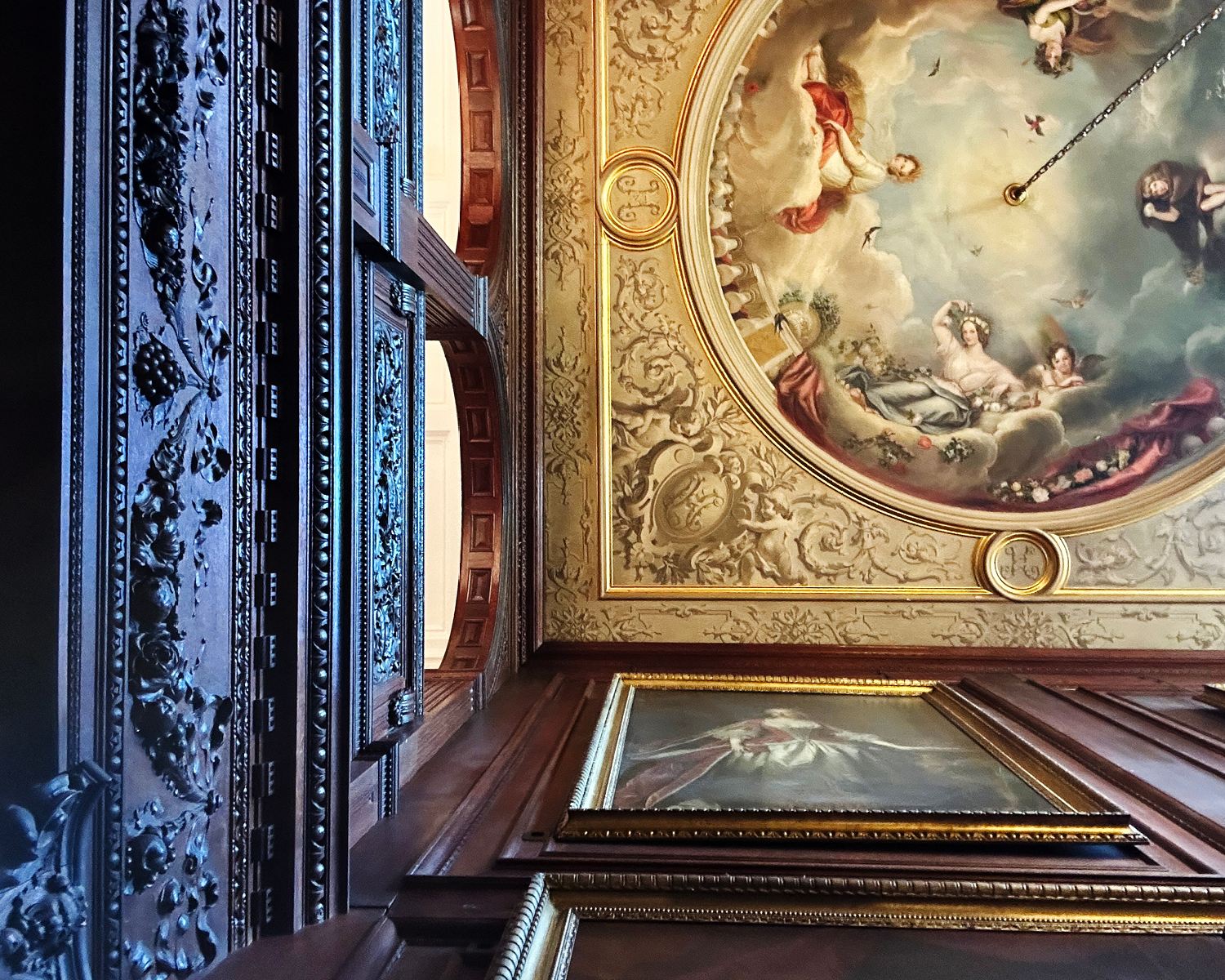
Some houses announce themselves before you ever cross the front door. Cliveden is one of them. From its formal terraces to the sweep of the front drive, every line hints at power and taste. Perched above the Thames in Buckinghamshire, the estate was rebuilt in 1851 by Sir Charles Barry, whose command of proportion also defines London’s Houses of Parliament. Four decades later, William Waldorf Astor would make it his own—layering Italianate architecture with English romanticism, sculpted gardens, and storied interiors.