September 16, 2025
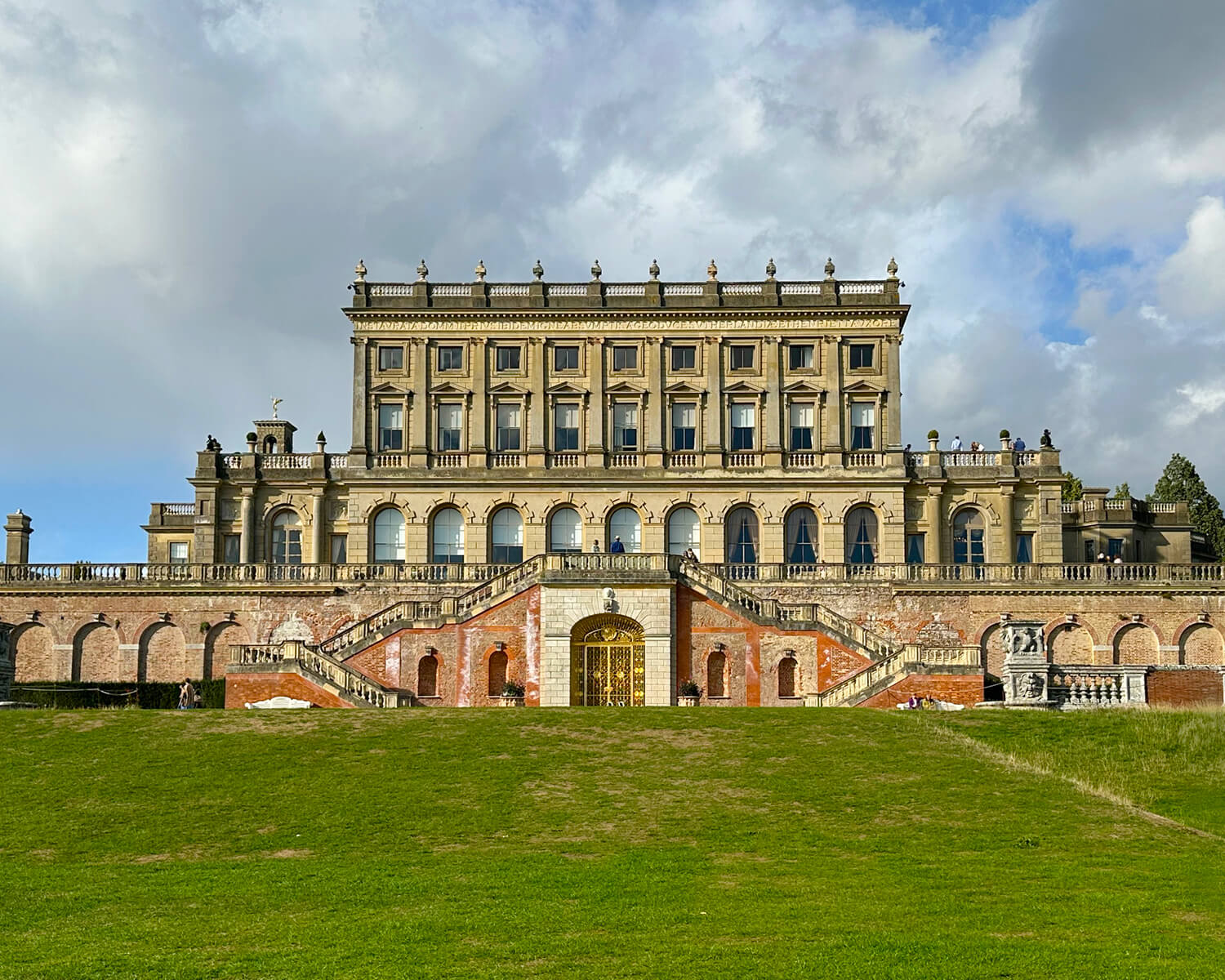
Meghan Markle spent the night here before marrying a prince, which feels entirely appropriate. Cliveden House has long attracted the type who favor silk robes, staff entrances, and an audience. Built high above the Thames, it’s grand, deliberate, and unapologetically architectural—a masterclass in historic English estate design. Every arch, terrace, and column reminds you that beauty here was planned, not improvised.
September 11, 2025
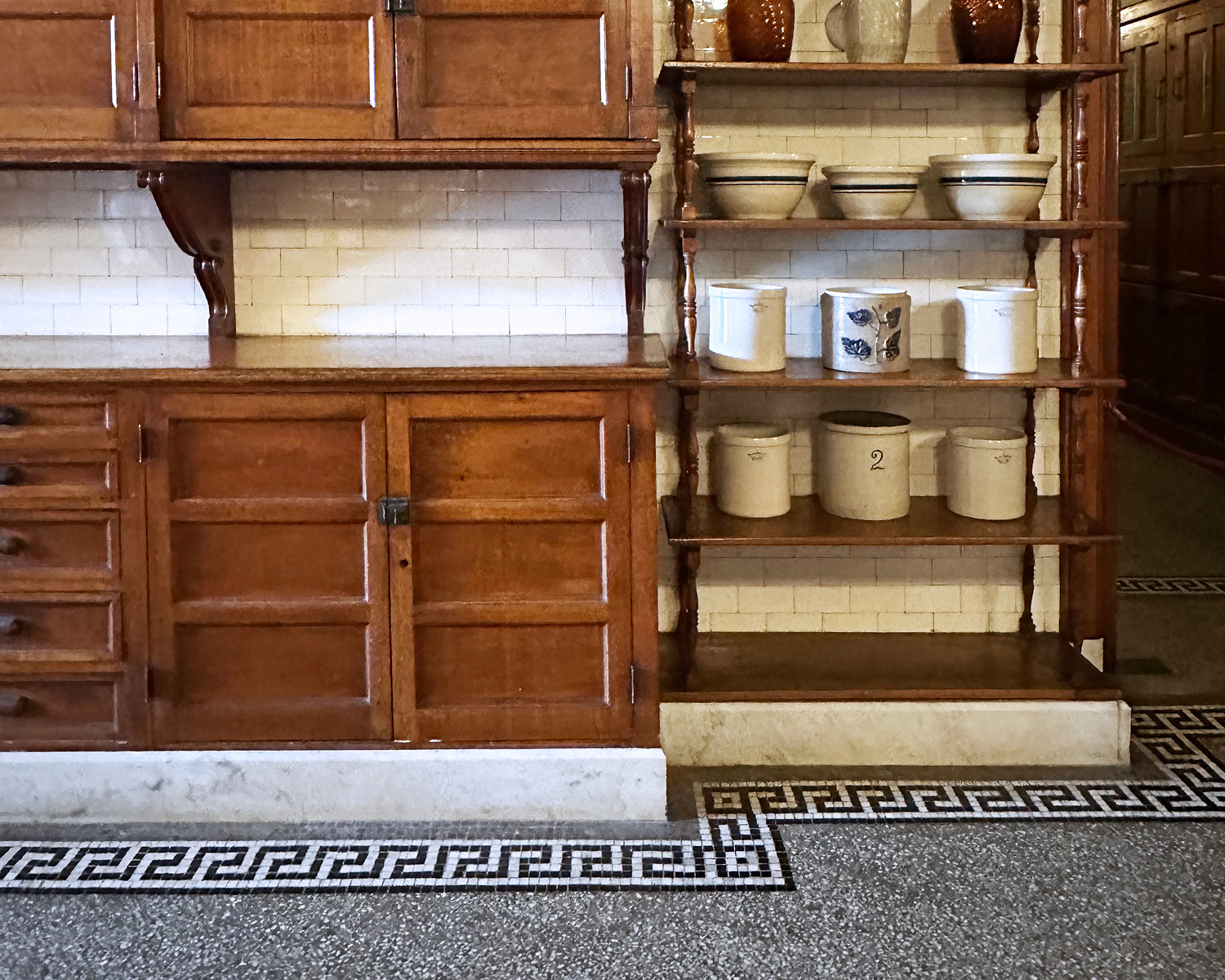
Walk through The Elms in Newport and you’ll find rooms that feel surprisingly familiar. Beyond the marble halls and gilded ceilings are kitchens, baths, and bedrooms that remind us that good design—historic or modern—always begins with proportion, craftsmanship, and comfort. These are the spaces that connect Gilded Age grandeur to everyday living.
September 9, 2025
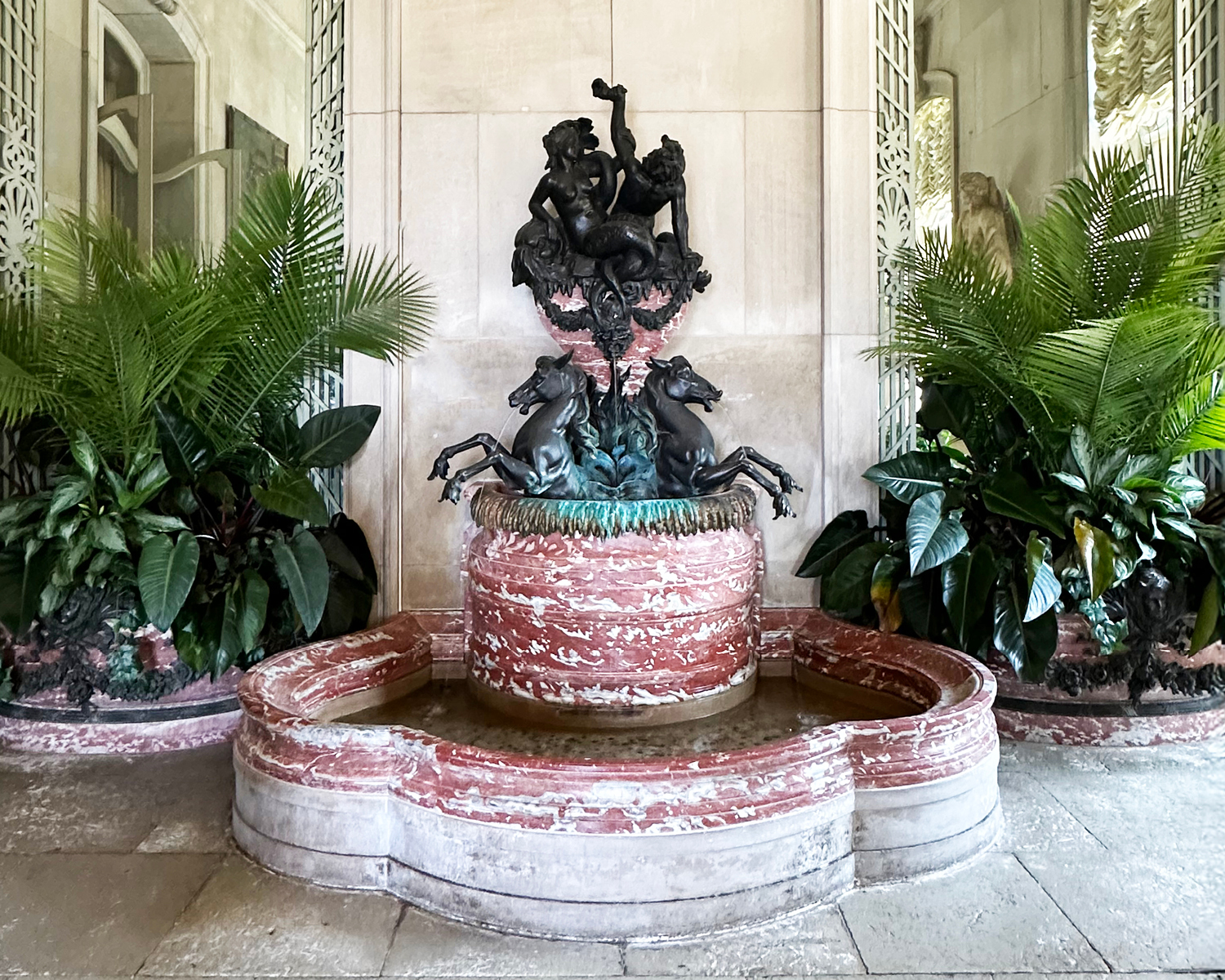
Walk through the bronze-and-glass front doors and you don’t just enter a house—you step onto a Gilded Age set. (Literally. HBO’s The Gilded Age films here, so it’s easy to imagine Bertha Russell sweeping past.) The Elms was built as a maison de plaisance—a house devoted to pleasure—where every room connects to the garden beyond. Limestone walls, rare marbles, and European art define its precision and extravagance.
September 5, 2025
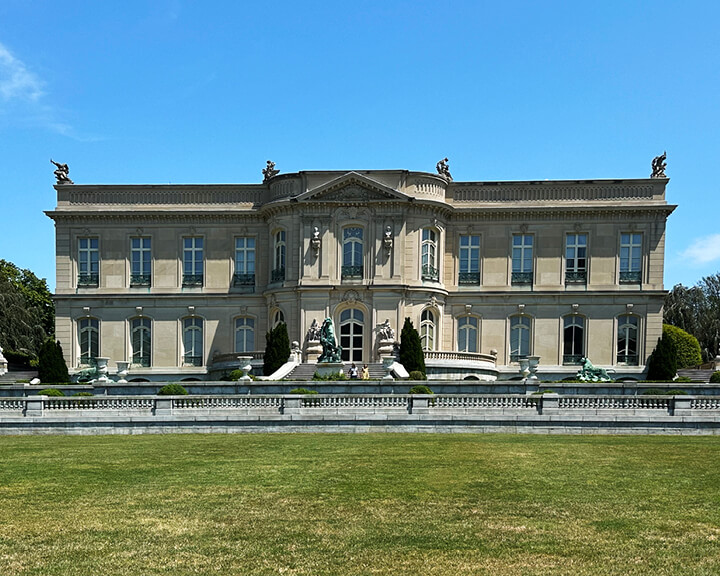
The Elms Newport Mansion, a French chateau inspired Gilded Age estate in Rhode Island, features historic home design, formal gardens, and HBO filming ties. This type of historic home design is what happens when you have too much money in 1901 and a taste for France. Architect Horace Trumbauer modeled the house after Château d’Asnières, then wrapped it in Indiana limestone so it would basically last forever.
August 15, 2025
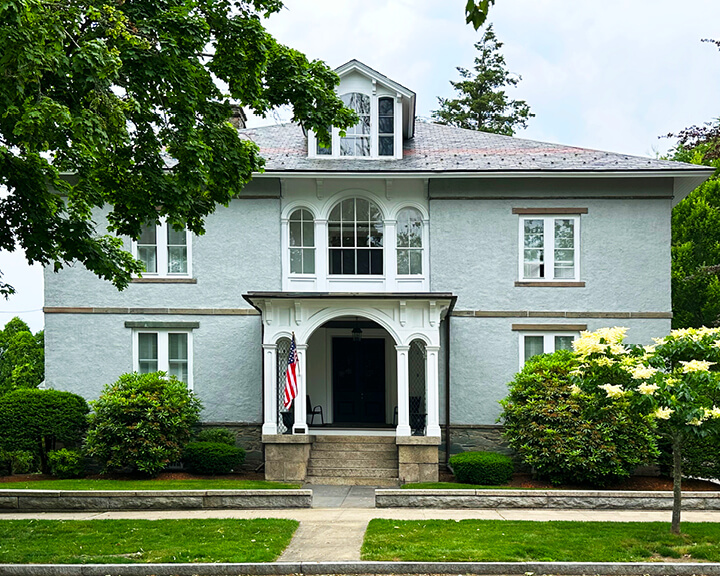
A stroll through Bristol, Rhode Island, reveals the kind of architectural inspiration that makes this a must-visit for any New England historic home designer. A quiet waterfront town just north of Newport—about an hour from Boston if you’re lucky with traffic. I take projects throughout New England, and this one landed me in a place I hadn’t explored before.
August 7, 2025
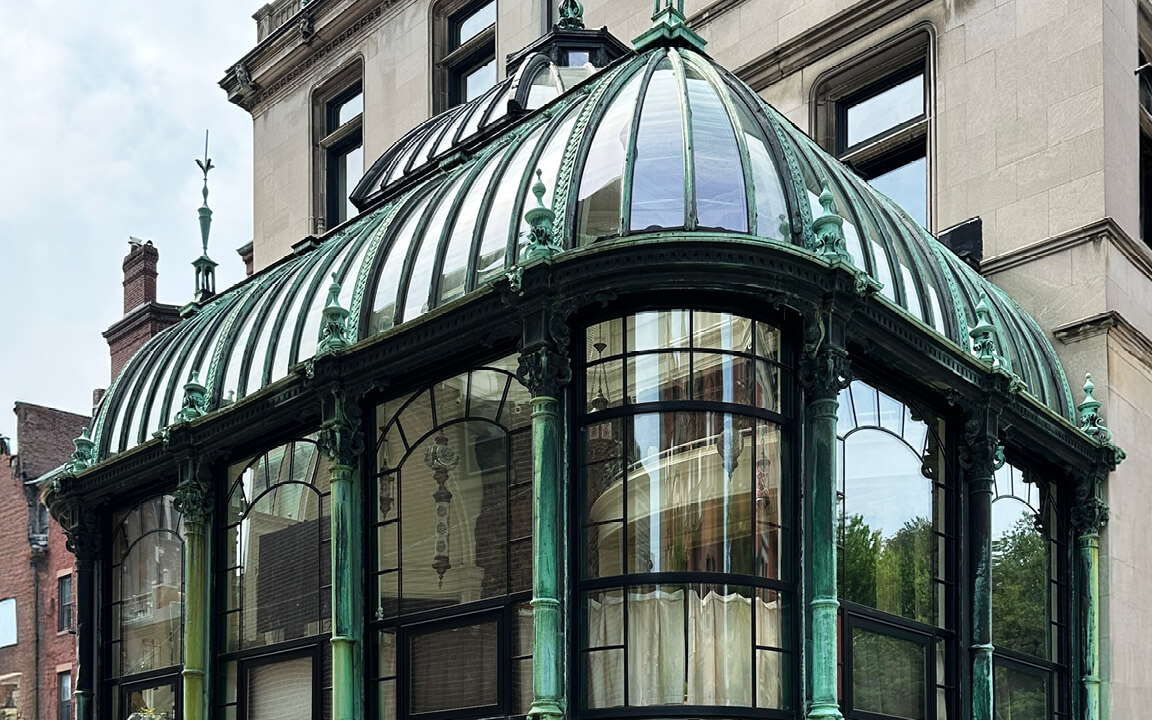
A closer look at architectural details that define historic home design in Boston’s Back Bay—from classic brownstones to one-of-a-kind standouts. Famous for its architectural rhythm—block after block of brownstones, bay windows, and mansard roofs, all standing neatly in line like a (very fancy) army. But take a closer look, and the rhythm breaks—in the best way.
June 28, 2025
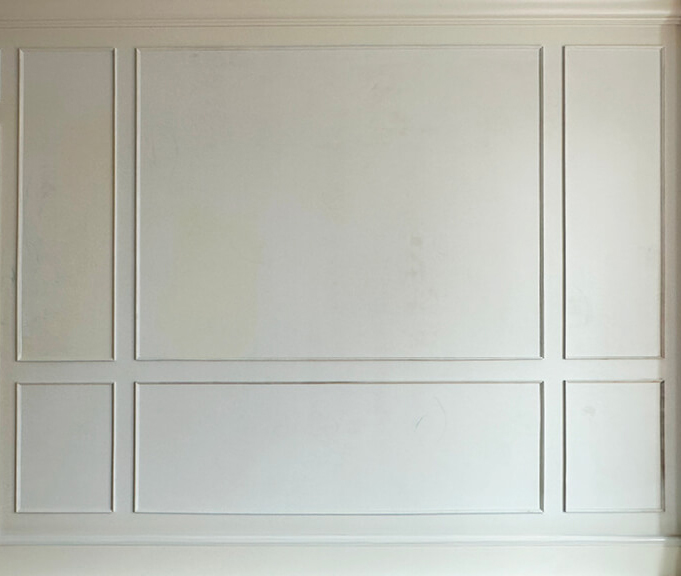
It’s been a while since we shared progress on our K Street project, and while we’ve shared updates on Instagram, the journal posts have been quiet. With six weeks (ish) left in construction, it felt like the right time to offer a peek. This brownstone renovation leans into classic architecture and timeless materials—always our favorite combination. As historic home designers, we’re always balancing restoration and reinvention.
June 13, 2025
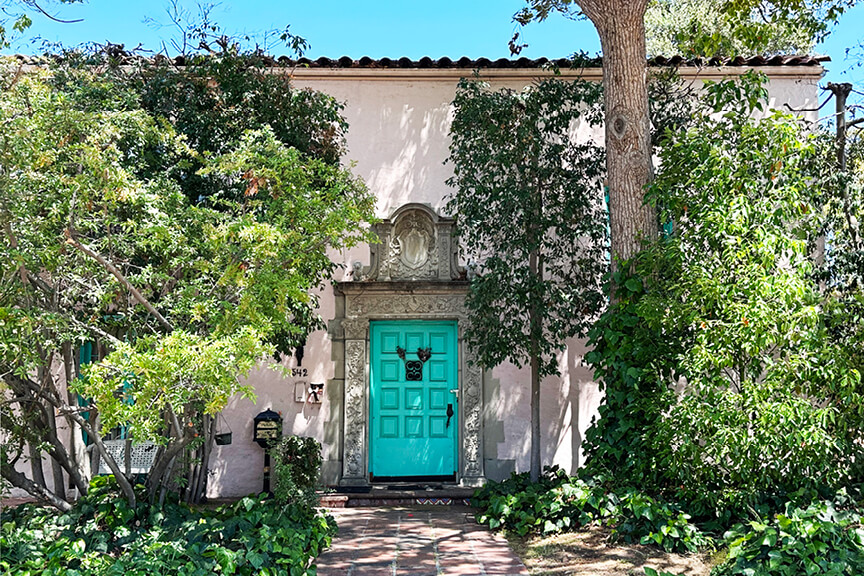
LA is full of contradictions. A city, but sprawling like a suburb. Industry-driven, yet business deals go down in flip-flops. Full of both grit and glamour; famous, yet somehow still faceless. What I learned is that LA’s architecture is hyper-varied: One block with a Spanish Colonial Revival, the next Craftsman or a Mid-Century Modern. What LA does best is to tuck it’s architectural gems into places you don’t expect.
March 14, 2025
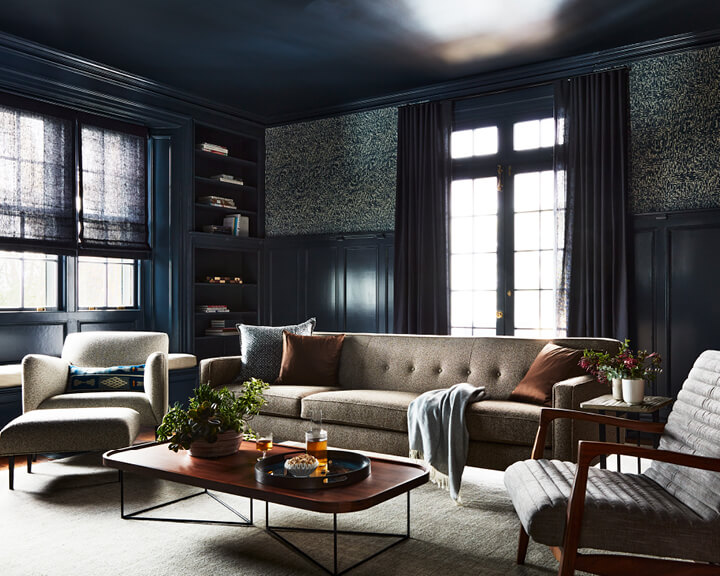
Room & Board recently featured our work on their blog, and we’re super happy with the write-up and the recognition. Their products blend quality craftsmanship with timeless design, making them a natural fit for our projects. Based in Minnesota, they source from skilled artisans across the country—including some right here in New England.