September 23, 2025
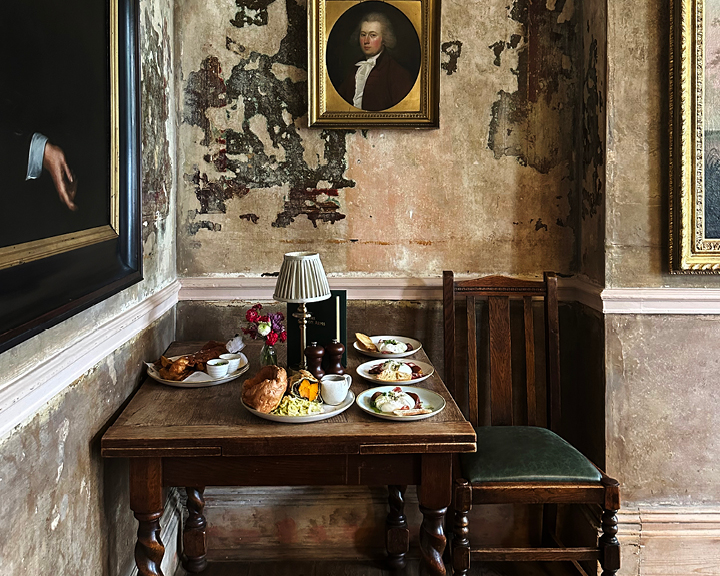
This guide uses a designer’s lens to eat, sleep, and shop London, focusing on places where the interiors drive the experience. Design shows up in everyday settings—restaurants, hotels, and members’ clubs reveal how space shapes how people gather and move. These recommendations highlight where to eat, sleep, and shop, chosen for their architecture, atmosphere, and character.
September 21, 2025
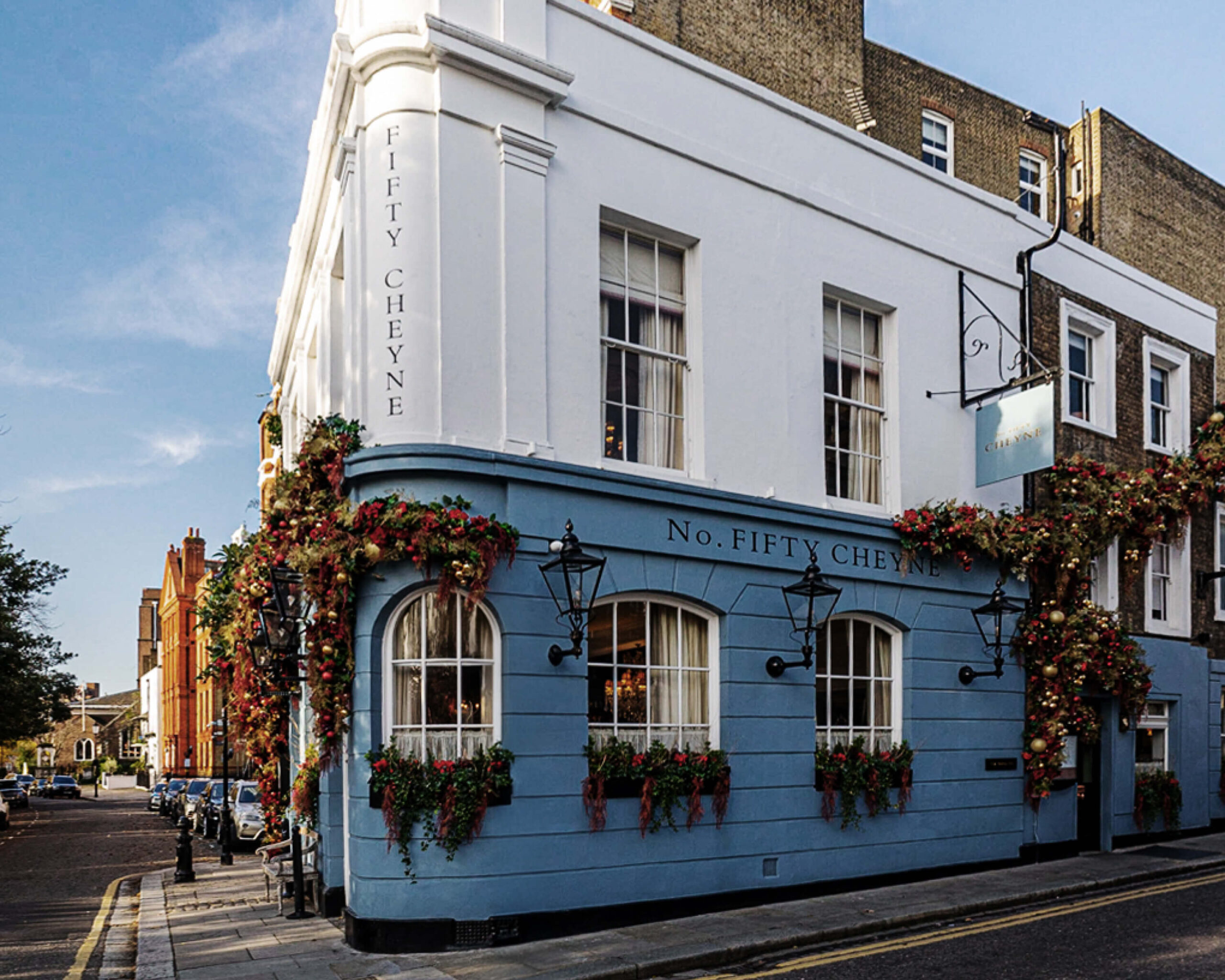
Interior-Driven Hospitality London restaurants set a global standard for interior-driven hospitality. From historic pubs with centuries-old patina to luxury hotels with sculptural staircases and bespoke textiles, these interiors are inspiring. More than destinations; these spots lessons in hospitality design and living examples of how architecture and interiors shape human experience. Dining is always beyond the […]
September 19, 2025
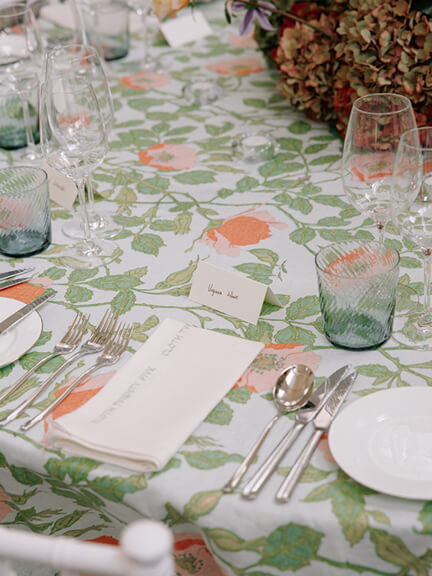
I felt lucky to be invited on a design field trip with Christopher Farr Cloth. I know their fabrics well and use them often in my projects, but I truly didn’t know what to expect. I had never explored London through the lens of a designer, knew no one else on the trip, and—truthfully—committed before even seeing the itinerary. But you can’t go wrong with a legendary London-based design house, and it paid off.
September 18, 2025
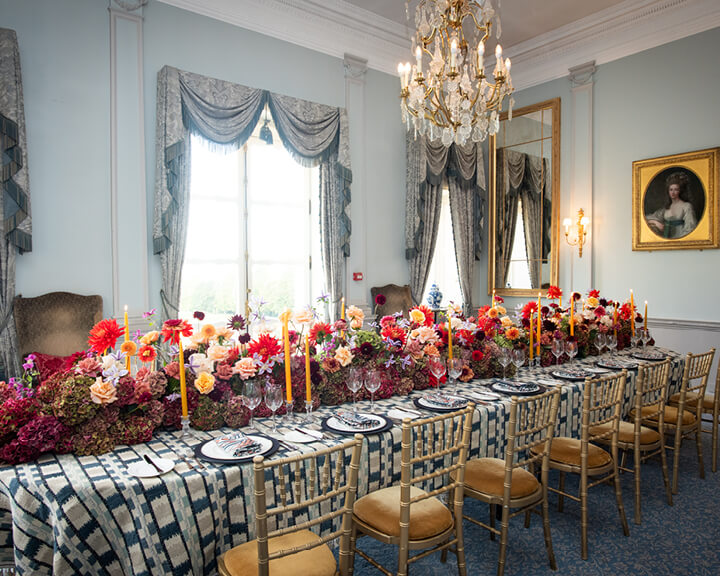
English Manor Design Cliveden House is not a place you can write about only once. Previously, I explored its interiors and exteriors through the lens of English manor design. The grand staircases, portrait galleries, and architectural symmetry set the tone for a life lived at scale. However, the true spirit of Cliveden emerges in motion, […]
September 17, 2025
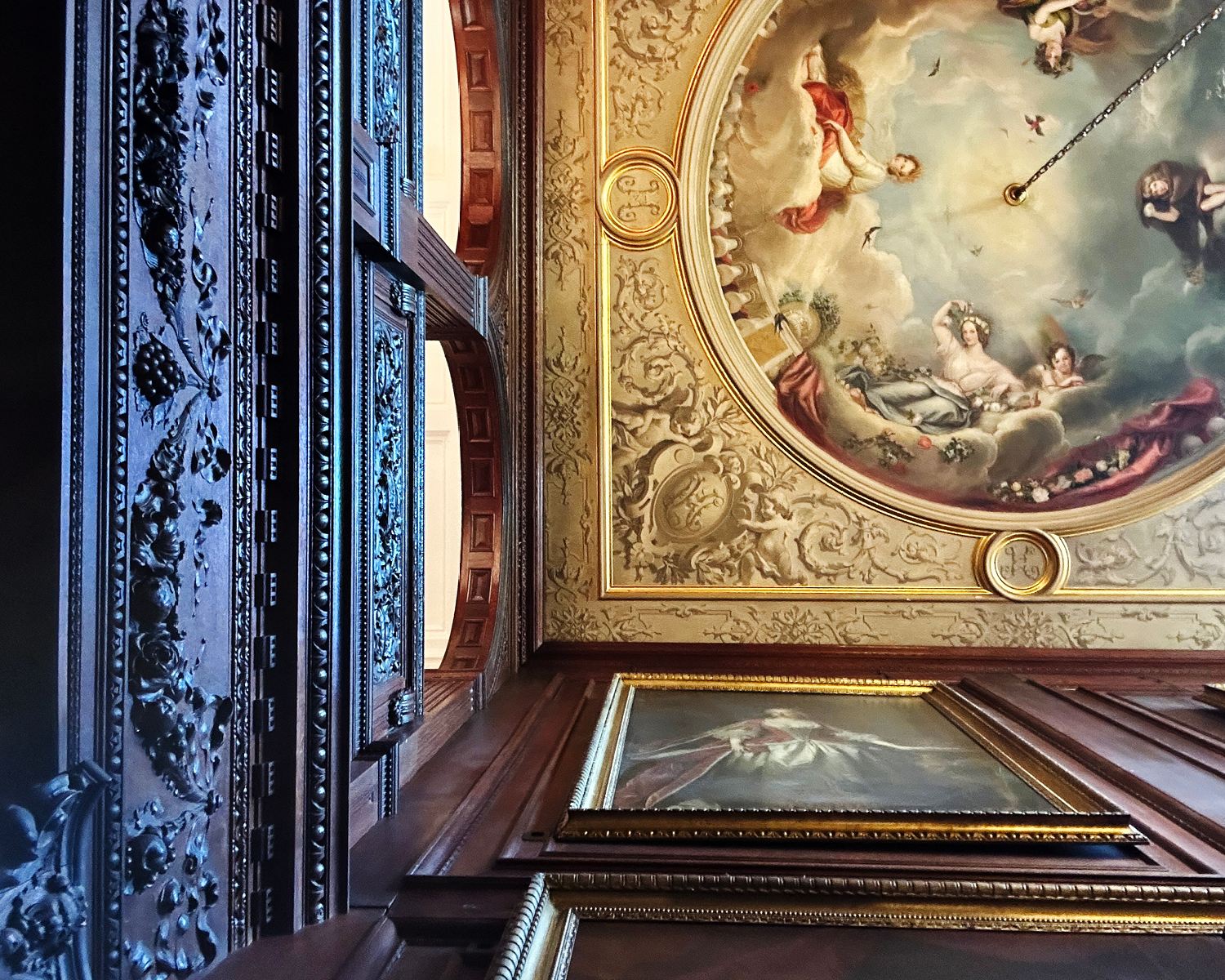
Some houses announce themselves before you ever cross the front door. Cliveden is one of them. From its formal terraces to the sweep of the front drive, every line hints at power and taste. Perched above the Thames in Buckinghamshire, the estate was rebuilt in 1851 by Sir Charles Barry, whose command of proportion also defines London’s Houses of Parliament. Four decades later, William Waldorf Astor would make it his own—layering Italianate architecture with English romanticism, sculpted gardens, and storied interiors.
September 16, 2025
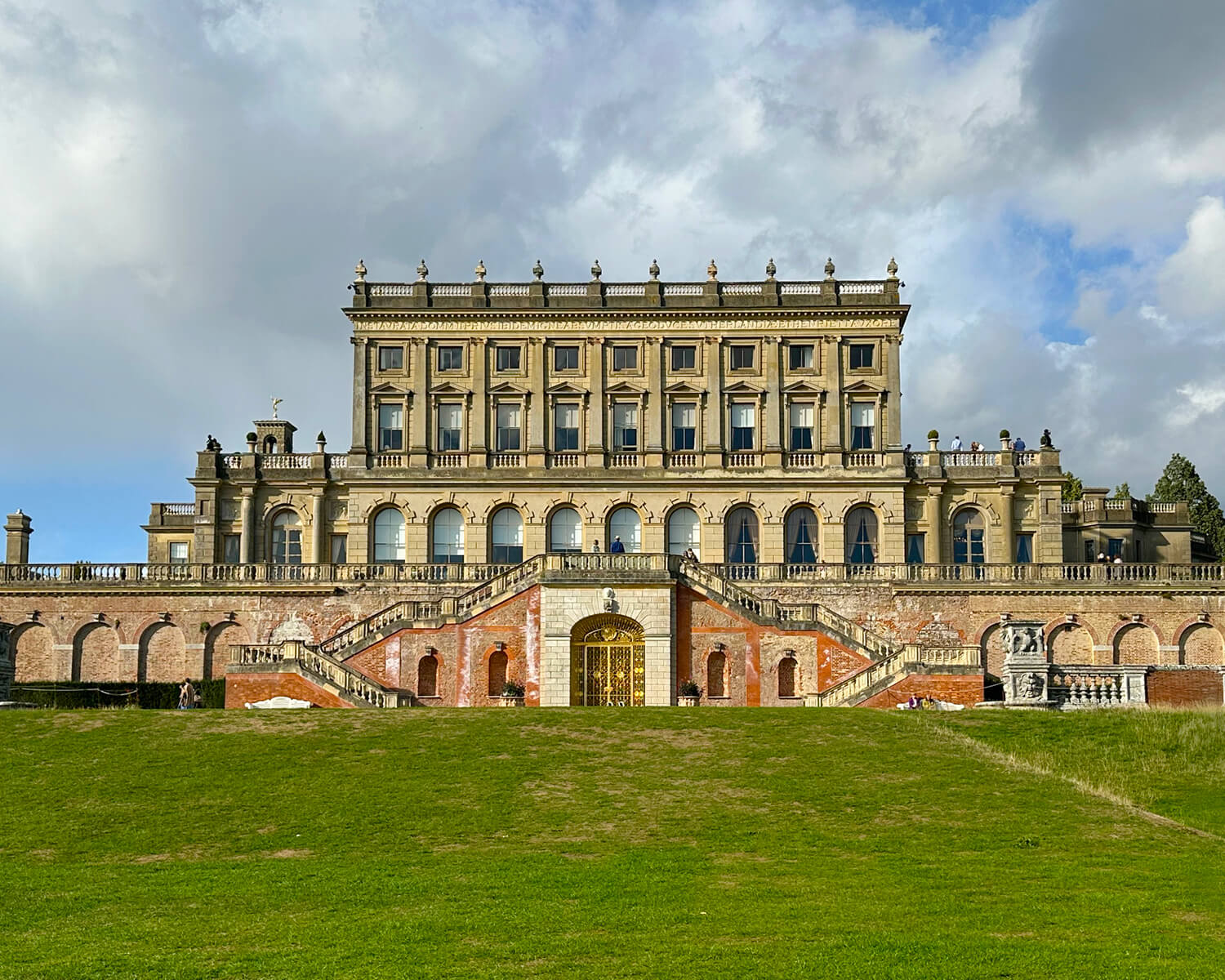
Meghan Markle spent the night here before marrying a prince, which feels entirely appropriate. Cliveden House has long attracted the type who favor silk robes, staff entrances, and an audience. Built high above the Thames, it’s grand, deliberate, and unapologetically architectural—a masterclass in historic English estate design. Every arch, terrace, and column reminds you that beauty here was planned, not improvised.
September 12, 2025
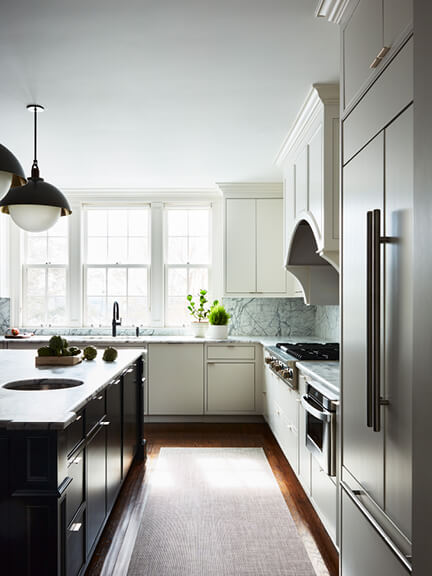
Not every project needs dust, debris, and months of chaos. An easy kitchen makeover can transform a home with smart choices and a fresh eye. Skip the sledgehammer—focus on finishes, fixtures, and details that make the difference. We renovate kitchens and baths all the time, and experience has shown us that a few minor updates can be the perfect solution.
September 11, 2025
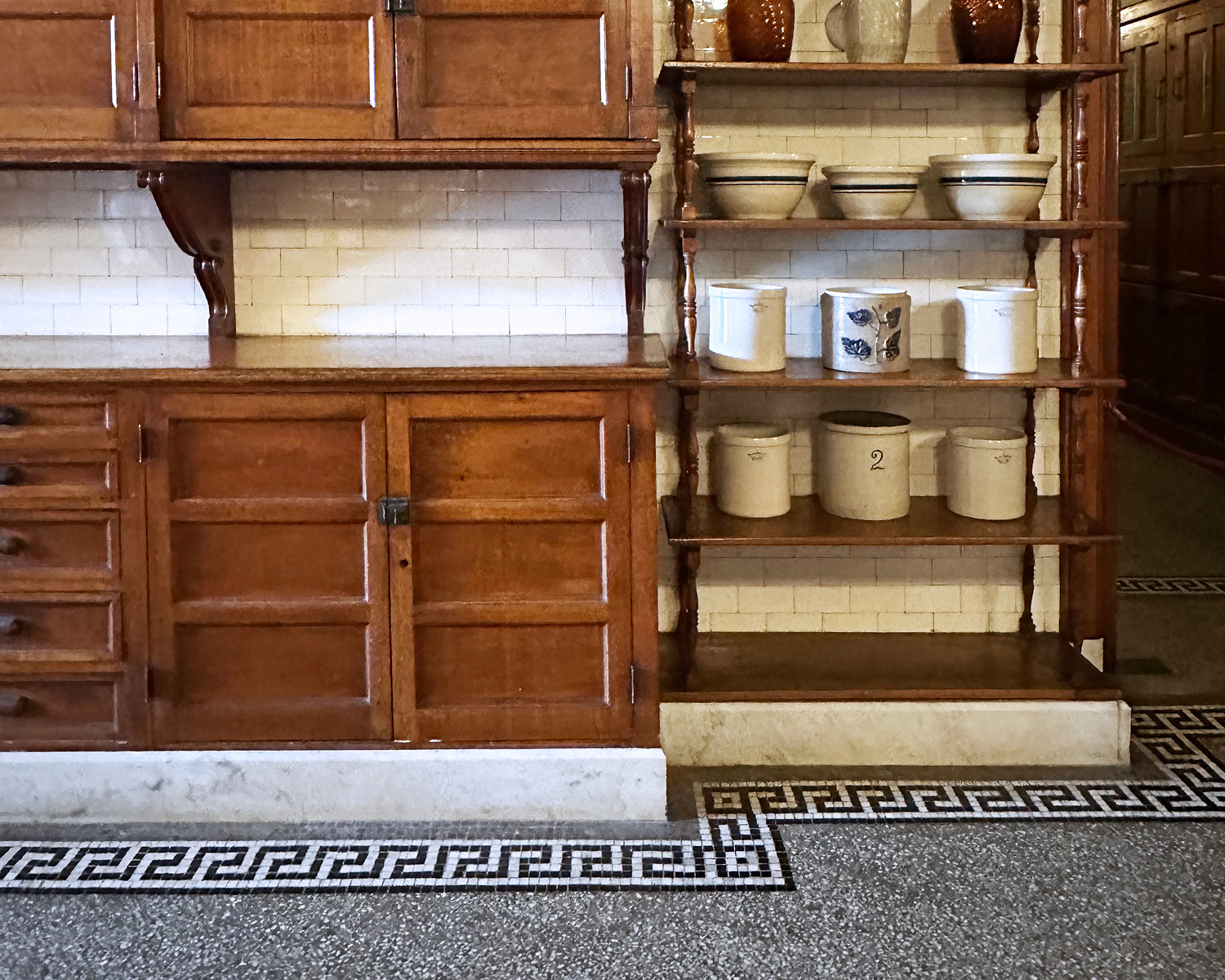
Walk through The Elms in Newport and you’ll find rooms that feel surprisingly familiar. Beyond the marble halls and gilded ceilings are kitchens, baths, and bedrooms that remind us that good design—historic or modern—always begins with proportion, craftsmanship, and comfort. These are the spaces that connect Gilded Age grandeur to everyday living.
September 9, 2025
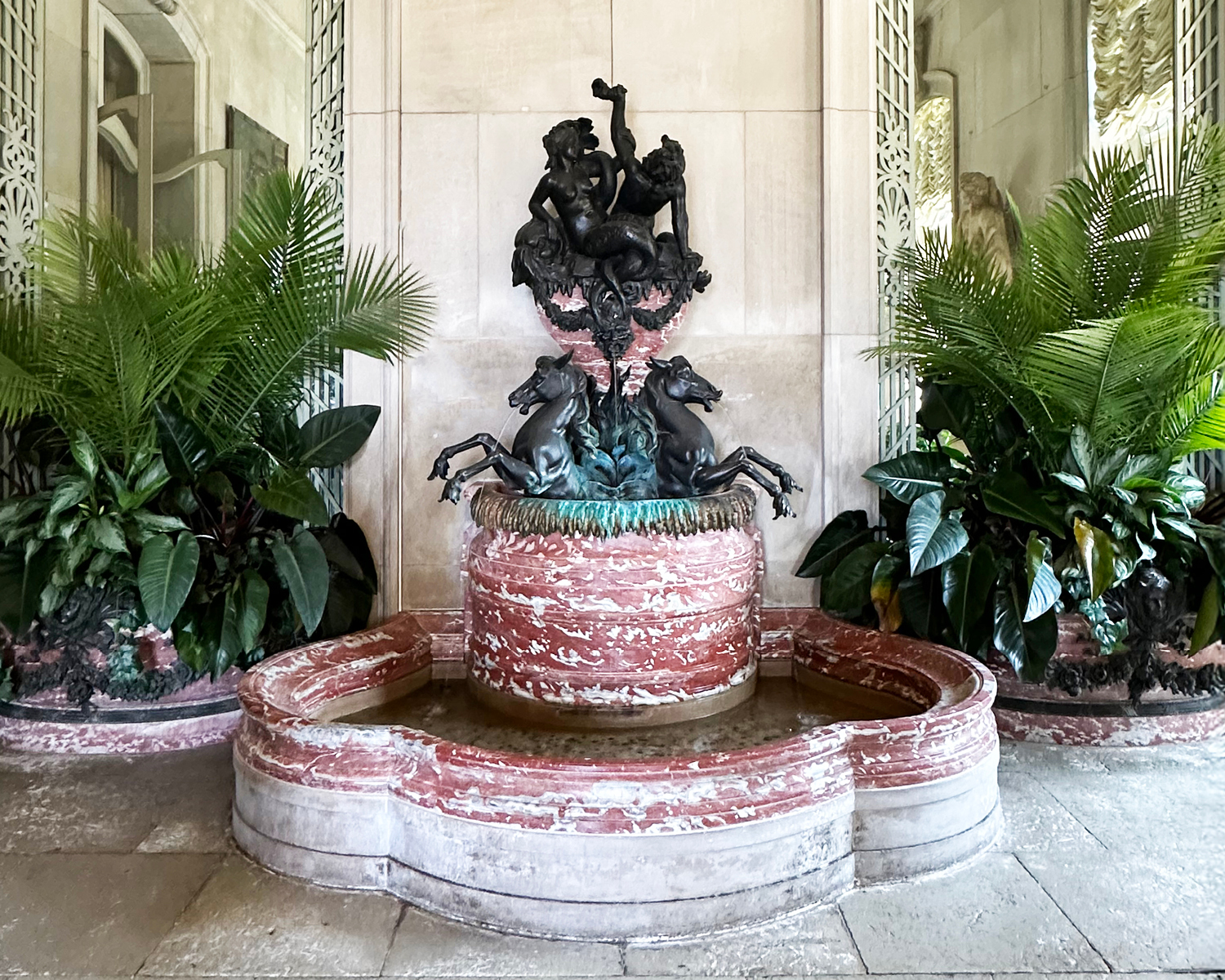
Walk through the bronze-and-glass front doors and you don’t just enter a house—you step onto a Gilded Age set. (Literally. HBO’s The Gilded Age films here, so it’s easy to imagine Bertha Russell sweeping past.) The Elms was built as a maison de plaisance—a house devoted to pleasure—where every room connects to the garden beyond. Limestone walls, rare marbles, and European art define its precision and extravagance.
September 5, 2025
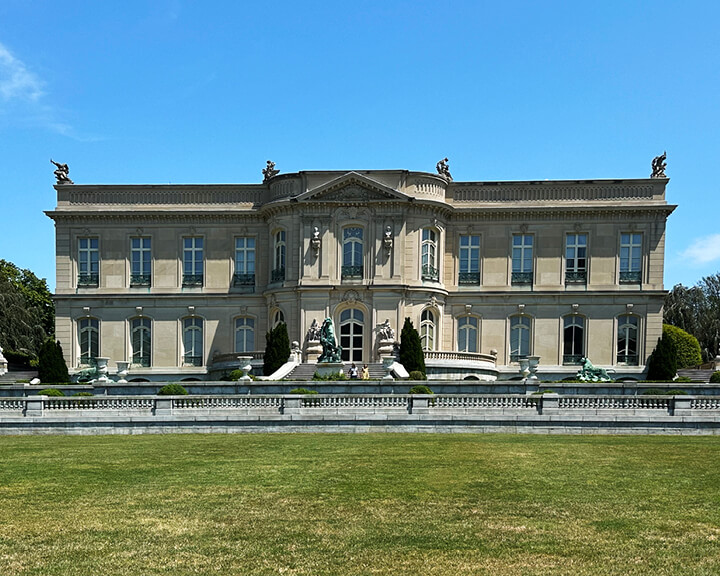
The Elms Newport Mansion, a French chateau inspired Gilded Age estate in Rhode Island, features historic home design, formal gardens, and HBO filming ties. This type of historic home design is what happens when you have too much money in 1901 and a taste for France. Architect Horace Trumbauer modeled the house after Château d’Asnières, then wrapped it in Indiana limestone so it would basically last forever.
August 26, 2025
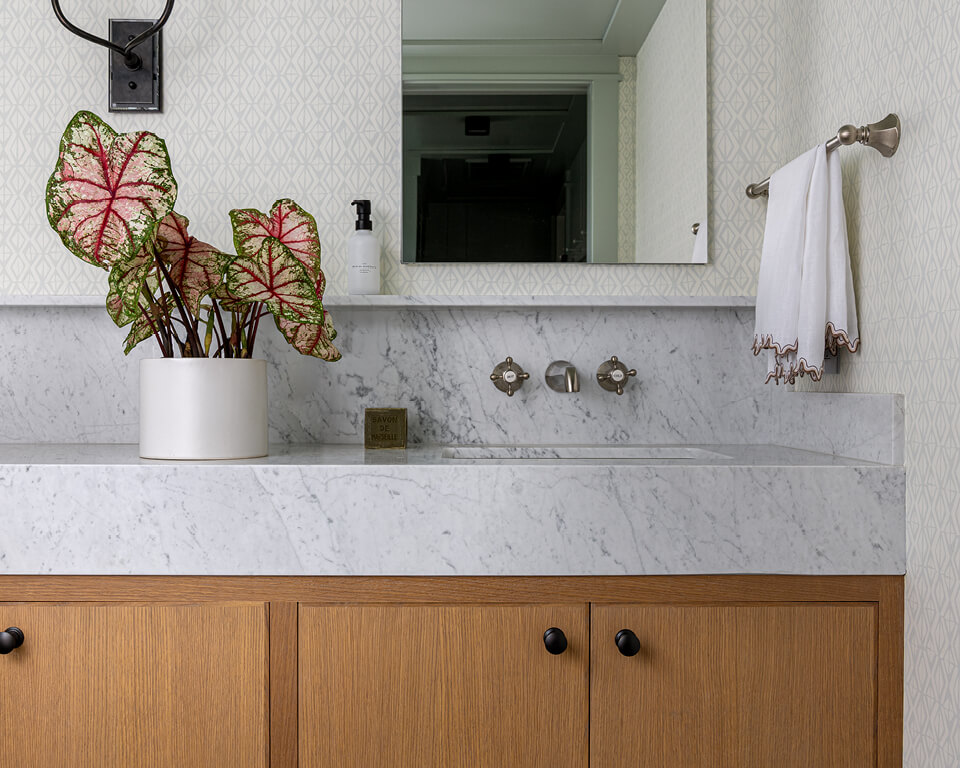
An industry term that architects and designers know well—but may feel new to homeowners—Design Development deserves a clear explanation. After you complete existing conditions and finish schematic design, the next step is finalizing a plan, selecting a builder, and setting a budget. We enter design development, literally developing the design. We break it down 3 ways: by room, by product, and by budget.
August 22, 2025
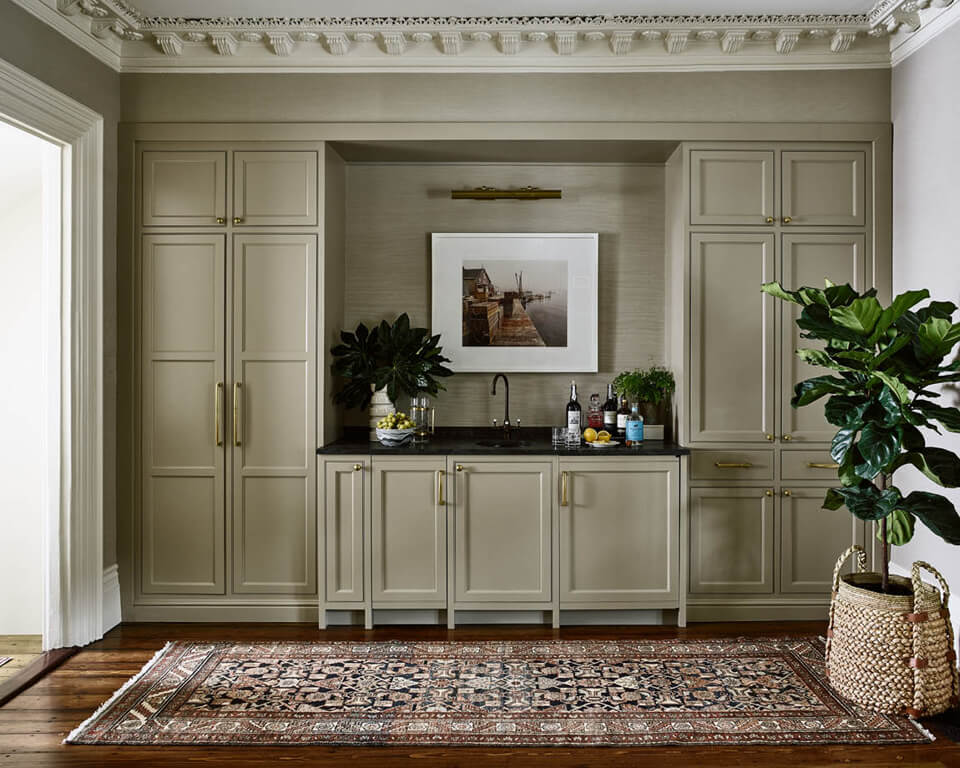
Existing conditions and schematic design provide the foundation for every successful interior design and renovation project. The design journey begins long before fabric swatches, color palettes, or furniture plans take shape. While the earliest steps may not be glamorous, they are essential: documenting what already exists and envisioning what could be.